

Social media platforms have fundamentally transformed the way news is reported, distributed, and consumed. Traditional journalism once relied on newspapers, television broadcasts, and radio bulletins to inform the public. Today, platforms such as Facebook, X, Instagram, YouTube, and TikTok play a central role in how people discover breaking news and understand current events. This shift has reshaped not only news reporting but also public awareness, engagement, and perception of reality. Social media has made news faster, more interactive, and more accessible, while also introducing challenges related to accuracy, bias, and information overload.
The Shift from Traditional Media to Social Platforms
For decades, mainstream media organizations controlled the flow of news. Editors decided what stories mattered and how they were framed. Social media has disrupted this gatekeeping role by allowing anyone to publish and share information instantly. News is no longer limited to scheduled broadcasts or printed editions. Instead, it appears in real time on digital feeds, often before traditional outlets can respond. This shift has reduced the dominance of legacy media and increased competition in the information space.
Speed and Real-Time News Reporting
One of the most significant ways social media has reshaped journalism is through speed. Breaking news now spreads within seconds through live videos, tweets, and posts. Journalists monitor social platforms to track developing stories, eyewitness accounts, and public reactions. While this immediacy keeps the public informed, it also increases the risk of publishing unverified or incomplete information. The pressure to be first can sometimes outweigh the responsibility to be accurate.
Rise of Citizen Journalism
Social media has empowered ordinary individuals to act as news reporters. With smartphones and internet access, citizens can capture photos, videos, and firsthand accounts of events as they happen. These contributions often provide perspectives that professional journalists may not have access to. Citizen journalism has expanded public awareness by highlighting local issues, protests, and social injustices that might otherwise go unnoticed. However, the lack of training and editorial oversight raises concerns about reliability and ethical standards.
Changing News Consumption Habits
Audiences today consume news differently than in the past. Instead of actively seeking news from a single source, users encounter news passively while scrolling through social media feeds. Algorithms personalize content based on user behavior, interests, and engagement patterns. This personalization increases convenience but also creates filter bubbles, where users are exposed mainly to viewpoints that reinforce their existing beliefs. As a result, public awareness can become fragmented and polarized.
Influence on Public Opinion
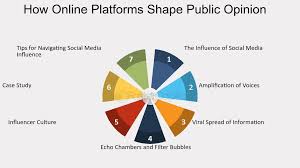
Social media platforms have a powerful influence on shaping public opinion. Trending topics, viral videos, and popular hashtags can amplify certain narratives while marginalizing others. Emotional and sensational content often receives more engagement, influencing how people perceive events and issues. Public awareness is no longer shaped solely by factual reporting but also by emotional reactions, comments, and online debates. This dynamic has made public discourse more participatory but also more volatile.
Role of Algorithms in News Visibility
Algorithms determine which news stories gain visibility and which remain unseen. Platform-driven ranking systems prioritize content that generates likes, shares, and comments. While this increases user engagement, it can also promote misleading or sensational information. Journalists and media organizations must now adapt their reporting styles to algorithmic preferences, sometimes at the cost of depth and context. This shift raises questions about who truly controls the news agenda in the digital age.
Challenges of Misinformation and Fake News
The spread of misinformation is one of the most serious consequences of social media-driven news. False stories can go viral quickly, influencing public perception before corrections are issued. Fake news undermines trust in journalism and confuses audiences. Social media platforms struggle to balance freedom of expression with content moderation, while journalists face the challenge of debunking false claims without amplifying them further.
Impact on Journalistic Standards
Social media has blurred the boundaries between professional journalism and user-generated content. Traditional standards such as verification, balance, and editorial review are often bypassed online. Journalists are expected to maintain credibility while competing in a fast-paced digital environment. This has led to changes in newsroom practices, including greater reliance on digital analytics, audience engagement strategies, and multimedia storytelling.
Increased Public Engagement and Awareness
Despite its challenges, social media has increased public engagement with news. Users can comment, share opinions, and participate in discussions about current events. Social movements and awareness campaigns have gained momentum through social platforms, mobilizing communities and influencing policy debates. Public awareness is no longer passive; it is interactive and collective, allowing people to feel more connected to global and local issues.
Ethical and Social Responsibilities
With greater influence comes greater responsibility. Journalists, platform companies, and users all share responsibility for maintaining a healthy information environment. Ethical reporting, transparent algorithms, and digital literacy are essential for protecting public awareness from manipulation. Educating users to critically evaluate sources and verify information is increasingly important in the social media era.
The Future of News Reporting on Social Media
The future of news reporting will likely involve deeper integration between journalism and technology. Artificial intelligence may assist in fact-checking, content moderation, and personalized news delivery. At the same time, the need for trusted journalism will remain strong. Social media platforms will continue to reshape public awareness, but their impact will depend on how responsibly they are used by journalists, institutions, and audiences.

Conclusion
Social media platforms have reshaped news reporting and public awareness in profound ways. They have accelerated the spread of information, empowered citizens, and increased public participation in news discourse. However, they have also introduced challenges related to misinformation, polarization, and algorithmic control. Understanding these changes is essential for navigating the modern media landscape. When used responsibly, social media can enhance public awareness and strengthen democratic dialogue. When misused, it can distort reality and undermine trust. The future of news depends on striking the right balance between speed, accessibility, and accuracy in the digital age.