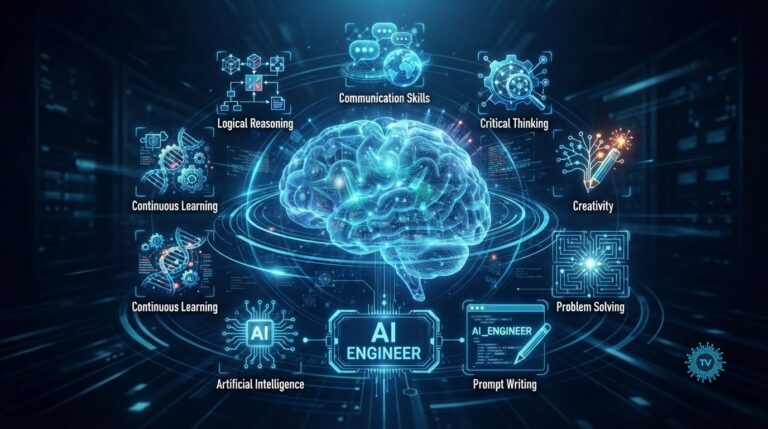

The world is changing faster than ever before. Technology is evolving, industries are transforming, and traditional jobs are being replaced or reshaped by automation and artificial intelligence. Over the next ten years, digital skills will not just be an advantage — they will be a necessity.
Students, freelancers, entrepreneurs, and working professionals must understand one simple truth: future success belongs to those who adapt. The job market is no longer stable in the traditional sense. Skills are the new currency, and digital expertise is becoming the foundation of career security.
In this comprehensive guide, we will explore the most powerful digital skills that are expected to remain in demand for the next decade and why mastering them can secure your financial and professional future.

1. Artificial Intelligence and Machine Learning
Artificial Intelligence is not just a trend — it is a technological revolution. Businesses across industries are integrating AI into their operations to increase efficiency and reduce costs.
Over the next ten years, professionals who understand:
- AI tools
- Machine learning basics
- Automation systems
- Data modeling
- Prompt engineering
will have massive opportunities.
AI is being integrated into marketing, finance, healthcare, education, and customer service. Instead of fearing automation, individuals who learn to control and implement AI systems will stay ahead.
Companies are prioritizing professionals who can work alongside intelligent systems rather than compete with them.
2. Data Analytics and Data Science
Data has become one of the most valuable assets in the digital economy. Every business collects information, but only skilled analysts can transform it into strategy.
In the next decade, data professionals will be needed to:
- Interpret customer behavior
- Predict market trends
- Optimize operations
- Improve performance metrics
Search engines like Google generate enormous amounts of data daily, and businesses depend on analytics to remain competitive.
Understanding data is no longer limited to IT professionals. Marketers, managers, and entrepreneurs all benefit from data literacy.
3. Cybersecurity and Digital Protection
As digital systems expand, cyber threats grow stronger. Data breaches and online attacks are increasing worldwide.
Cybersecurity skills will remain essential because:
- Businesses store sensitive data
- Remote work increases vulnerability
- Cloud systems require protection
- Privacy regulations are tightening
Professionals trained in network security, ethical hacking, and risk management will always be in demand.
Digital safety is becoming a top global priority.
4. Cloud Computing
The future of infrastructure is cloud-based. Companies are moving away from physical servers and investing in scalable digital systems.
Cloud computing skills include:
- Cloud architecture
- System deployment
- Server management
- DevOps automation
Organizations depend on cloud platforms to operate efficiently and serve global customers.
Cloud expertise ensures long-term career stability.
5. Digital Marketing and Performance Advertising
Marketing has shifted permanently to digital platforms. Over the next decade, businesses will continue investing in online advertising and brand growth.
Digital marketing skills include:
- Search engine optimization
- Paid advertising
- Email marketing
- Funnel building
- Conversion optimization
Platforms such as Google Ads and Facebook Ads allow businesses to target customers precisely.
Marketers who understand analytics and return on investment will remain valuable.
6. Content Creation and Personal Branding
Content remains one of the strongest digital assets.
Platforms like YouTube and Instagram continue to grow globally.
Skilled content creators can generate income through:
- Advertising revenue
- Sponsorship deals
- Affiliate marketing
- Digital product sales
Personal branding increases credibility and opens doors to consulting and speaking opportunities.
In the next ten years, attention will remain one of the most valuable currencies.
7. Web Development and Software Engineering
Websites and applications power the digital economy.
Developers skilled in:
- Front-end development
- Back-end systems
- Mobile applications
- Software architecture
will maintain strong demand.
Businesses require digital presence to survive. Web development remains one of the most future-proof skills.
8. UX UI Design
User experience determines whether customers stay or leave.
UX UI professionals:
- Improve usability
- Increase engagement
- Optimize customer journeys
- Enhance digital interfaces
Good design directly impacts revenue.
As competition increases, companies will invest more in creating seamless digital experiences.
9. Blockchain and Web3 Technologies
Blockchain is expanding beyond cryptocurrency.
Industries are exploring:
- Smart contracts
- Secure transactions
- Decentralized applications
- Digital identity systems
While still evolving, blockchain expertise may create significant long-term opportunities.
Early learners may benefit most over the next decade.
10. Automation and No Code Development
Automation tools are simplifying complex processes.
No-code platforms allow individuals to:
- Build websites
- Create apps
- Automate workflows
- Manage databases
Automation increases productivity and reduces operational costs.
Professionals who understand workflow optimization will remain relevant.
11. Remote Collaboration and Project Management
The workplace is becoming location-independent.
Professionals skilled in:
- Virtual team leadership
- Digital communication tools
- Task management systems
- Productivity tracking
will thrive in distributed environments.
Remote project management is becoming a permanent part of global work culture.
12. Financial Technology and Digital Payments
The financial industry is rapidly digitizing.
Skills in:
- Online payment systems
- Financial analytics
- Cryptocurrency fundamentals
- Digital banking tools
will expand as economies shift toward cashless transactions.
Fintech innovation is accelerating worldwide.
How to Choose the Right Digital Skill
Choosing a skill depends on:
- Your interests
- Market demand
- Learning ability
- Long-term growth potential
Focus deeply on one skill first. Mastery creates opportunity.
Avoid chasing every trend. Instead, build expertise strategically.
The Importance of Continuous Learning
Technology evolves constantly.
To remain competitive:
- Update your knowledge regularly
- Follow industry trends
- Practice real-world projects
- Build a strong portfolio
Learning never stops in the digital economy.
Why Digital Skills Are Safer Than Traditional Careers
Automation may replace repetitive tasks, but digital creators, strategists, and innovators remain essential.
Digital skills offer:
- Global opportunities
- Remote flexibility
- High income potential
- Entrepreneurial freedom
The next decade belongs to adaptable professionals.

Final Thoughts
The future of work is digital, flexible, and skill-driven.
Smart individuals who invest time in developing in-demand digital skills will build stable, profitable careers.
Whether you choose AI, marketing, development, or data analytics, the key is consistent practice and long-term commitment.
Start learning today. The next ten years will reward those who prepare now.