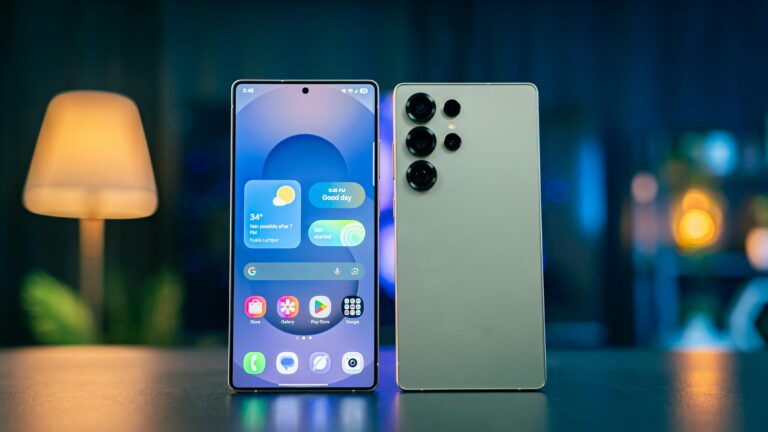

In 2026, smartphone photography has entered a new phase as Samsung and Apple intensify competition to redefine mobile camera capabilities. What was once limited to megapixel counts has now evolved into a complex blend of artificial intelligence, computational photography, and advanced sensor technology.
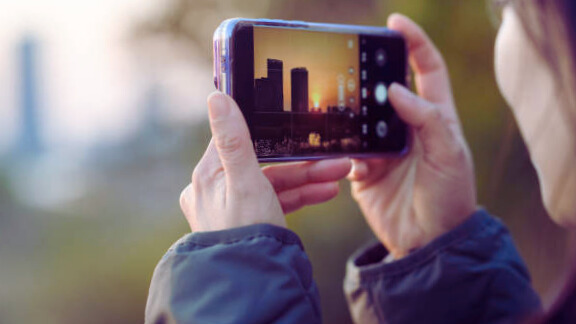
Samsung, known for pushing hardware boundaries, has introduced next-generation camera sensors featuring enhanced low-light performance and AI-driven image processing. The company’s latest flagship smartphones now rely heavily on real-time scene recognition, allowing cameras to automatically adjust exposure, color balance, and focus based on environmental conditions.
Apple, on the other hand, continues to prioritize consistency and natural image output. With its latest iPhone lineup, Apple has improved sensor-shift stabilization and introduced deeper AI integration within its image signal processor. This enables more accurate portrait shots, improved night photography, and advanced video recording features aimed at content creators.
One of the most notable trends in 2026 is the growing role of on-device AI. Instead of sending data to cloud servers, smartphones now process images locally, ensuring faster results and improved user privacy. AI models can identify objects, faces, and lighting conditions instantly, resulting in clearer and more balanced photos.
Camera hardware has also seen significant upgrades. Larger sensors, wider apertures, and multi-lens systems are becoming standard even in mid-range devices. Samsung’s periscope zoom technology now supports enhanced optical zoom without sacrificing image quality, while Apple has refined its ultra-wide lenses for better edge clarity.
Video recording is another major battleground. Both companies are focusing on cinematic features such as advanced stabilization, AI-assisted focus tracking, and professional-grade color grading tools. Smartphones are increasingly being used for vlogging, short-form videos, and even independent filmmaking.

Market analysts suggest that camera innovation remains a key purchasing factor for consumers. As social media, video platforms, and digital content creation continue to grow, users demand higher quality visuals from their mobile devices.
Looking ahead, experts predict further integration of machine learning with camera systems. Features like real-time object removal, enhanced AR photography, and intelligent video editing are expected to become mainstream.
In 2026, the smartphone camera race is no longer about numbers — it’s about delivering a complete, intelligent imaging experience that rivals professional equipment while remaining accessible to everyday users.