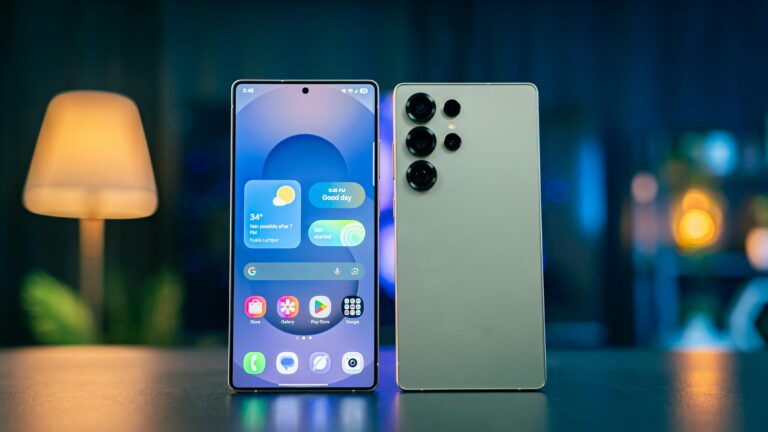

A new report reveals that the global memory chip market is facing significant shortages and price increases in 2026 — a direct result of the surging demand driven by artificial intelligence infrastructure. As AI technologies expand rapidly, data centers and compute-heavy applications are consuming unprecedented quantities of memory resources, squeezing supply for smartphones, PCs, and consumer electronics.
This shortage isn’t merely a supply-chain hiccup — it reflects a structural shift in semiconductor manufacturing priorities, where high-bandwidth memory (HBM) for AI systems now commands greater investment than traditional consumer memory products.

AI Infrastructure Commands Memory Supply
Unlike previous memory shortages linked to pandemic disruptions, the current constraint stems from strategic allocation of production capacity toward AI-related memory components.
High-bandwidth memory (HBM), crucial for data-intensive AI workloads, is now prioritized by major manufacturers such as Samsung, SK Hynix, and Micron.
The shift has dramatically reduced available DRAM and NAND flash for mainstream consumer devices, contributing to elevated prices and limited inventory.
Consumer Electronics Feel the Impact
Consumers are already facing the consequences. DRAM and NAND prices have increased significantly, and manufacturers are struggling to balance cost pressures with performance demands.
Some device makers may delay launches or scale back features traditionally dependent on plentiful memory, such as high-speed storage and advanced camera capabilities.

AI Investment and Memory Scarcity
The AI boom has drawn massive venture capital investment — with over $210 billion allocated to AI sectors in 2025 alone.
With memory components central to AI infrastructure, cloud providers, supercomputing facilities, and enterprise AI platforms are securing supply contracts aggressively, further tightening retail availability.
Device Price Inflation on the Horizon
Industry insiders warn that smartphones and laptops may become notably more expensive in 2026 due to memory cost inflation.
According to reports, memory chip costs could become a major portion of device bills — especially in mid-range and entry-level segments — potentially pushing average phone prices upward by 20–30%.
This trend could shrink the affordable device market while intensifying competition among premium brands.
Strategic Adjustments by Tech Companies
Major tech firms are reportedly rethinking supply strategies, including:
- Long-term contracts with memory makers
- Boosting production of prioritized memory types
- Exploring alternative architectures
These adjustments aim to balance AI infrastructure needs with consumer demand — but relief may not arrive until 2027–2028, when new manufacturing capacity comes online.
What It Means for Tech Buyers
For consumers, the memory shortage translates to:
- Higher device costs
- Longer product cycles
- Potential delays in new releases
Re-prioritized specs replacing memory-heavy features
Conclusion
The memory chip shortage driven by the AI boom represents a fundamental shift in global technology supply dynamics for 2026. As AI workloads consume more of the semiconductor fabric, traditional electronics face cost pressures and availability constraints.
This trend highlights an important reality: AI’s impact extends far beyond software — it reshapes hardware economics and device affordability worldwide.