
Artificial intelligence is no longer limited to cloud servers and data centers. In 2026, AI-powered personal computers, commonly known as AI PCs, are rapidly becoming mainstream as Intel, AMD, Qualcomm, and Microsoft aggressively push next-generation computing experiences to consumers and enterprises alike.
The global PC industry, which struggled with slowing growth after the pandemic boom, is now witnessing a strong revival driven by AI-first hardware designs. These new systems are built to handle AI workloads locally, reducing dependency on cloud-based processing and unlocking faster, more private, and more efficient computing.
What Exactly Is an AI PC?
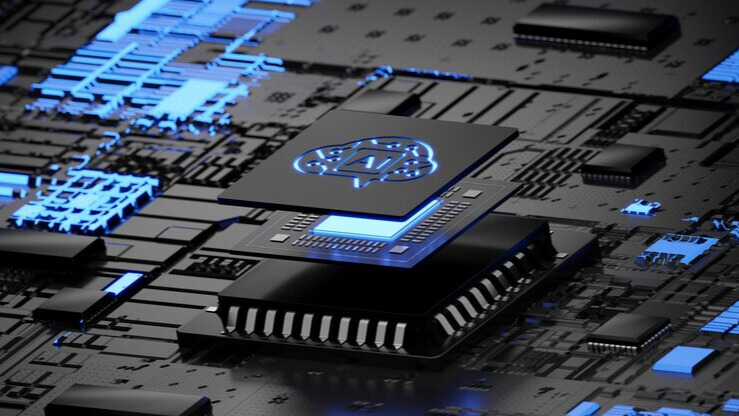
An AI PC is a computer equipped with a dedicated Neural Processing Unit (NPU) alongside traditional CPUs and GPUs. This NPU is specifically designed to handle machine learning and AI tasks such as:
- Real-time language translation
- AI image and video generation
- Voice recognition and transcription
- Smart background effects in video calls
- Local AI assistants without internet dependency
Unlike earlier systems, AI PCs can process these workloads on-device, resulting in lower latency and improved privacy.
Intel, AMD, and Qualcomm: The AI PC Race
Intel Core Ultra Series
Intel’s Core Ultra processors, featuring built-in AI acceleration, are leading the AI PC movement. Intel has positioned its NPUs as essential components for modern productivity, especially in creative workflows and business applications.
AMD Ryzen AI Chips
AMD’s Ryzen AI processors are gaining traction in both consumer laptops and premium ultrabooks. With strong GPU integration and efficient AI compute performance, AMD is targeting creators, developers, and power users.
Qualcomm Snapdragon X Elite
Qualcomm’s ARM-based Snapdragon X Elite chips are redefining Windows laptops with exceptional battery life and always-on AI capabilities. These processors are optimized for AI tasks and mobile efficiency, making them strong competitors to traditional x86 architectures.
Microsoft’s Role: Windows Becomes AI-First
Microsoft has fully embraced AI PCs as the future of Windows. In 2026, Windows updates are increasingly optimized for AI hardware, introducing features such as:
- On-device Copilot AI
- AI-powered file search and summarization
- Smart task automation
- Enhanced security using behavioral AI detection
Microsoft is also encouraging developers to build applications that directly leverage NPUs, accelerating adoption across the software ecosystem.
Why AI PCs Matter for Everyday Users
AI PCs are not just for tech enthusiasts. Everyday users are already benefiting from:
- Faster photo and video editing
- Noise cancellation and background blur without performance drops
- Improved battery efficiency
- Enhanced privacy with local AI processing
As AI tools become more integrated into daily workflows, AI PCs provide a smoother and more responsive user experience.

Enterprise and Business Adoption
Businesses are quickly adopting AI PCs to improve productivity and data security. Local AI processing allows companies to:
- Keep sensitive data on-device
- Reduce cloud costs
- Enable faster decision-making
- Improve cybersecurity through AI-driven threat detection
Enterprise demand is expected to be a major growth driver for AI PC sales throughout 2026.
Market Impact and Future Outlook
Industry analysts predict that AI PCs will account for over 60% of new PC shipments by 2027. Major laptop manufacturers like Dell, HP, Lenovo, and ASUS have already launched AI-first product lines.
As software catches up with hardware capabilities, AI PCs are set to redefine personal computing, making AI a built-in feature rather than an optional add-on.
Conclusion
The rise of AI PCs marks a turning point in computing history. With Intel, AMD, Qualcomm, and Microsoft driving innovation, 2026 is shaping up to be the year when AI becomes a standard feature of every modern computer. For consumers, professionals, and businesses, AI PCs represent faster performance, better privacy, and smarter digital experiences.