
Online safety has become a critical concern in the digital age as more personal data is shared, stored, and accessed online than ever before. From social media accounts and online banking to shopping websites and cloud storage, our personal information is constantly exposed to potential risks. Cybercriminals actively look for ways to steal data, commit fraud, and invade privacy.
Understanding online safety is essential for anyone who uses the internet. This article explains what online safety means, why personal data is at risk, common threats, and practical steps you can take to protect your personal information. By following these best practices, you can significantly reduce online risks and stay secure in the digital world.
What Is Online Safety
Online safety refers to the practices and measures used to protect personal data, privacy, and digital identity while using the internet. It includes protecting devices, accounts, and online activities from unauthorized access, misuse, or cyber attacks.
Online safety is not limited to technical tools alone. Safe browsing habits, awareness of online threats, and responsible data sharing are equally important in protecting personal information.

Why Protecting Personal Data Is Important
Personal data includes your name, address, passwords, financial details, and online activity. If this data falls into the wrong hands, it can be used for identity theft, financial fraud, and illegal activities.
Protecting personal data helps prevent financial loss, privacy violations, and emotional stress. Strong online safety practices ensure that your information remains secure and under your control.
Common Online Threats to Personal Data
Cyber threats come in many forms and continue to evolve. Phishing attacks trick users into sharing sensitive information through fake emails or messages. Malware infects devices to steal data or monitor activity.
Data breaches expose personal information stored by websites and services. Public Wi-Fi networks can allow attackers to intercept data if connections are not secure. Understanding these threats is the first step toward online safety.
Use Strong and Secure Passwords
Passwords play a major role in protecting online accounts. Weak or reused passwords make it easy for attackers to gain access to personal data.
Use long and unique passwords for each account, combining letters, numbers, and symbols. A password manager can help you store and manage passwords securely, improving overall online safety.
Enable Two-Factor Authentication
Two-factor authentication adds an extra layer of protection to your online accounts. Even if someone steals your password, they cannot access your account without the second verification step.
Enable two-factor authentication for email, social media, banking, and cloud services. This simple measure greatly enhances personal data protection.
Be Careful With Emails and Links
Phishing emails are one of the most common ways personal data is stolen. These messages often appear legitimate and encourage users to click links or download attachments.
Always verify the sender before clicking links or sharing information. Avoid opening suspicious attachments and never provide sensitive details through email or unknown websites.
Secure Your Internet Connection
An unsecured internet connection can expose your data to attackers. Public Wi-Fi networks are especially risky because they are often not encrypted.
Use secure and trusted networks whenever possible. A virtual private network encrypts your internet traffic and helps protect personal data when using public Wi-Fi.
Limit the Information You Share Online
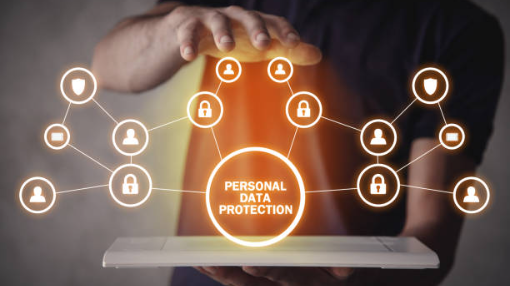
Oversharing personal information increases the risk of data misuse. Social media platforms often collect and display personal details that can be exploited.
Review privacy settings on social platforms and limit what you share publicly. Avoid posting sensitive information such as addresses, phone numbers, or financial details.
Keep Devices and Software Updated
Software updates often include security patches that fix known vulnerabilities. Using outdated software increases the risk of cyber attacks.
Keep operating systems, browsers, and applications updated. Automatic updates are recommended to maintain strong online safety without extra effort.
Protect Your Devices With Security Tools
Antivirus software and firewalls help detect and block malicious activity. These tools provide an important layer of protection for personal data.
Use trusted security software and ensure it is updated regularly. Built-in security features in modern devices also offer effective protection when enabled.
Monitor Accounts and Data Regularly
Regularly monitoring your accounts helps detect suspicious activity early. Unexpected login alerts, unknown transactions, or changes to account settings may indicate a security issue.
Act quickly if you notice anything unusual. Changing passwords and contacting service providers can prevent further damage.
The Future of Online Safety
As digital technologies advance, online safety challenges will continue to grow. Artificial intelligence and automation may increase both cyber threats and security solutions.
Future online safety will rely on stronger encryption, biometric authentication, and smarter security systems. Users who build good security habits today will be better prepared for future risks.

The Role of Awareness in Online Safety
Technology alone cannot guarantee complete online safety. Awareness and responsible behavior play a major role in protecting personal data.
Staying informed about new cyber threats and practicing safe online habits reduces the risk of data loss. Education is one of the strongest defenses against cybercrime.
Conclusion
Online safety is essential for protecting personal data in an increasingly connected world. By understanding online threats and following safe practices, individuals can reduce risks and maintain control over their digital lives.
Strong passwords, secure connections, awareness, and responsible behavior work together to protect personal information. Investing in online safety today ensures privacy, security, and peace of mind in the digital future.