

Artificial Intelligence and smartphones are converging faster than ever. In early 2026, major technology companies confirmed a new direction: AI-powered devices that process intelligence directly on the phone, not just in the cloud.
This shift marks a turning point for mobile technology, privacy, and user experience.
On-Device AI Takes Center Stage
Leading smartphone manufacturers are integrating on-device AI models capable of:
- Real-time translation
- Advanced photo and video enhancement
- Context-aware assistants
- Offline AI processing
This reduces dependence on cloud servers and improves speed and privacy.
AI Chips Redefine Smartphone Performance
New AI-focused processors are optimized for:
- Neural processing
- Machine learning tasks
- Image and voice recognition
These chips allow phones to run advanced AI features without draining battery life.
Camera AI Reaches Professional Levels
Smartphone cameras now use AI to:
- Analyze scenes instantly
- Enhance low-light photography
- Improve portrait accuracy
- Optimize video stabilization
In 2026, camera performance is driven more by software intelligence than hardware megapixels.
Privacy Becomes a Competitive Advantage
With AI running locally:
- Personal data stays on-device
- Less data is sent to servers
- Users gain more control
Companies are using privacy-focused AI as a selling point.
Impact on App Development
Developers are shifting toward:
- AI-first mobile apps
- Smarter personalization
- Predictive user interfaces
Apps that do not integrate AI risk becoming obsolete.
AI Skills Demand Explodes
This transition increases demand for:
- AI engineers
- Mobile AI developers
- Machine learning specialists
- Prompt engineers
AI literacy is becoming a core tech skill.
Global Market Implications
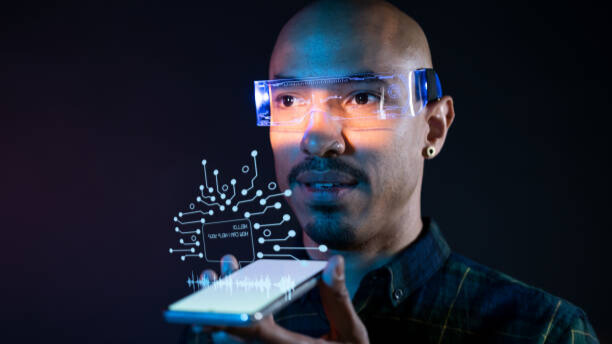
AI-powered smartphones are reshaping:
- Consumer expectations
- App ecosystems
- Mobile advertising
- Digital services
Emerging markets are adopting AI features faster than expected.
Conclusion
2026 is the year smartphones become intelligent companions, not just devices. AI is no longer an add-on—it’s the foundation of modern mobile technology.
The companies and professionals who adapt early will lead the next digital wave.