

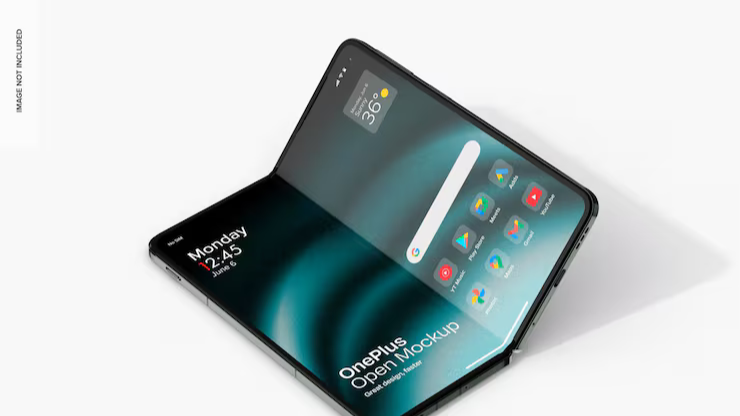
Foldable smartphones are no longer a niche experiment — 2026 marks the year they entered mainstream adoption. After years of refinement, panel durability improvements, and competitive pricing, foldable devices are gaining a larger share of global smartphone shipments. Industry analysts now predict foldables will account for over 20% of premium smartphone sales by the end of 2026.
Manufacturers such as Samsung, Google, Motorola, and several Chinese brands have all contributed to this shift by offering more reliable, stylish, and software-optimized foldable devices.
Why Foldables Finally Took Off
Early foldables struggled with:
- Screen creasing
- Price barriers
- Software adaptation issues
But in 2026, several factors changed the landscape:
- Crease-Free Display Technology
Samsung Display’s latest ultra-thin panels virtually eliminate visible creases, improving longevity and aesthetics. - Competitive Pricing
Mid-range foldable models from major brands have closed the gap with flagship flat devices, making adoption more accessible. - Software Optimization
Android and OEM UIs now support flexible layouts, task continuity, and adaptive interface elements that genuinely enhance the user experience.
These advances collectively helped transform foldables from luxury items to everyday devices.
Market Dynamics and Consumer Trends
Analysts note a clear shift in consumer behavior:
- Users are upgrading earlier due to feature improvements
- Content creation and multitasking use cases drive preference
- Foldables appeal strongly to productivity and creative users
Data from several market trackers shows foldables gaining traction not only in developed markets but rapidly growing in Asia and the Middle East.
How Brands Are Responding
Samsung
Samsung remains a leader with its Galaxy Z series, integrating:
- Larger outer displays
- Refined hinge mechanisms
- Powerful AI camera enhancements

Google’s Pixel Fold has improved software integration and third-party app support, addressing one of the biggest early criticisms of foldables.
Chinese Brands
Oppo, Vivo, and Xiaomi have expanded their foldable lineups with more affordable models, increasing competition and consumer choice.

Consumer Experience Improvements
Foldables in 2026 frequently offer:
- Tablet-like productivity modes
- Split-screen multitasking
- Enhanced durability
- Better battery life despite larger screens
Reviewers note these devices increasingly blur the line between phone and tablet.
What This Means for the Mobile Industry
Foldable devices are disrupting traditional smartphone design strategies. As hardware and software continue to evolve, the phone market is likely to see:
- More hybrid form factors
- Wider accessory ecosystems
- Increased innovation in app experiences
Investors and developers are paying close attention, anticipating growth in related markets such as foldable screens, flexible batteries, and adaptive UIs.
Conclusion
2026 has emerged as the breakthrough year for foldable smartphones. With technology hurdles addressed and broader consumer adoption underway, foldables are reshaping expectations of what a mobile device can do — merging productivity, creativity, and everyday connectivity into a single, versatile form factor.