
Technology has always been a key driver of human progress, but the speed at which it is evolving today is truly remarkable. From the invention of the internet to the rise of artificial intelligence, technology has transformed how people live, work, and communicate. As we move into the next decade, future technology is expected to go beyond convenience and become deeply integrated into every aspect of life. Emerging innovations will not only improve efficiency but also redefine social structures, economies, and global interaction. Understanding these changes is essential to prepare for a smarter and more connected future.
In short, the next decade will mark a turning point where technology becomes an inseparable part of human life.

Artificial Intelligence: Smarter and More Human-Like
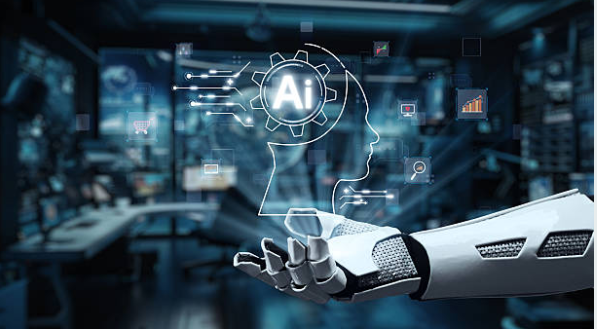
Artificial Intelligence (AI) will remain one of the most influential technologies of the future. Over the next ten years, AI systems will become more intelligent, adaptive, and capable of performing complex tasks that once required human judgment. Machine learning algorithms will analyze vast amounts of data to recognize patterns, predict outcomes, and assist in decision-making processes.
In healthcare, AI will help doctors detect diseases earlier and recommend personalized treatments. In business, AI will optimize supply chains, improve customer service, and enhance productivity. Virtual assistants and chatbots will become more conversational and emotionally aware, making human-computer interaction more natural.
Overall, artificial intelligence will evolve from a support tool into a powerful decision-making partner.
Automation and the Evolution of Jobs
Automation will significantly reshape the global workforce in the coming decade. Machines and robots will take over repetitive, manual, and hazardous tasks, allowing humans to focus on more creative and strategic work. Industries such as manufacturing, logistics, and agriculture will experience higher efficiency and reduced operational costs.
Although automation may replace certain traditional jobs, it will also create new opportunities in technology-driven fields such as robotics, AI development, cybersecurity, and data analysis. Workers will need to continuously upgrade their skills to remain competitive in the job market.
Therefore, automation will not eliminate work but will redefine the nature of human employment.
Smart Cities and Urban Innovation
The concept of smart cities will gain momentum over the next decade. By using Internet of Things (IoT) devices, sensors, and data analytics, cities will manage resources more efficiently. Traffic congestion, energy consumption, and waste management will be optimized through real-time data collection and intelligent systems.
Smart streetlights, automated public transport, and digital governance platforms will improve urban living standards. These technologies will also help reduce pollution and support sustainable development as urban populations continue to grow.
As a result, smart cities will offer cleaner, safer, and more efficient urban environments.
Healthcare Transformation Through Technology
Technology will revolutionize healthcare in the next decade by making it more accessible, accurate, and personalized. Wearable devices will continuously monitor health indicators such as heart rate, sleep patterns, and physical activity. These tools will help detect potential health risks before they become serious.
Telemedicine will allow patients to consult doctors remotely, saving time and resources. Robotic-assisted surgeries and AI-based diagnostics will increase precision and reduce recovery periods. Advances in biotechnology may also lead to personalized treatments based on genetic information.
In conclusion, future healthcare technology will focus on prevention, precision, and patient convenience.
Extended Reality: AR, VR, and Immersive Experiences
Augmented Reality (AR) and Virtual Reality (VR) will transform how people learn, work, and entertain themselves. In education, students will experience immersive virtual classrooms and interactive simulations that improve understanding. In professional training, VR environments will allow safe practice of complex tasks.
Entertainment industries will offer highly immersive gaming, virtual concerts, and interactive storytelling experiences. As devices become more affordable and user-friendly, extended reality will become widely adopted.
Ultimately, extended reality will blur the line between the physical and digital worlds.
5G, 6G, and Hyper-Connectivity
The expansion of 5G networks and the development of 6G technology will significantly enhance global connectivity. Faster internet speeds and lower latency will support real-time applications such as autonomous vehicles, smart homes, and remote surgeries.
This level of connectivity will allow billions of devices to communicate simultaneously, creating a fully integrated digital ecosystem. Businesses, healthcare systems, and educational institutions will benefit from seamless communication and data exchange.
Hence, next-generation connectivity will serve as the foundation of future digital innovation.
Cybersecurity and Digital Ethics
As reliance on technology increases, cybersecurity will become a major concern. The rise in connected devices and data sharing will also increase the risk of cyberattacks. Future cybersecurity systems will use AI-based tools to detect threats and respond instantly.
At the same time, ethical issues such as data privacy, surveillance, and responsible AI usage will gain importance. Governments and organizations will need strong regulations to protect users and maintain trust in digital systems.
Therefore, cybersecurity and ethics will be essential pillars of a safe digital future.
Sustainable and Green Technology
Future technology will play a vital role in addressing environmental challenges. Innovations in renewable energy, electric vehicles, and energy-efficient systems will help reduce carbon emissions. Smart environmental monitoring tools will track pollution and support conservation efforts.
Technology-driven sustainability will allow economic growth without harming the planet. Governments and industries will increasingly invest in green solutions to combat climate change.
In summary, sustainable technology will ensure progress without environmental destruction.

Conclusion
The next decade will be defined by rapid technological advancement and global transformation. Artificial intelligence, automation, smart cities, healthcare innovation, extended reality, and sustainable solutions will reshape the world as we know it. While these changes will bring challenges, they will also create opportunities for growth and improvement. By adopting technology responsibly and ethically, humanity can build a future that is smarter, more inclusive, and sustainable.