

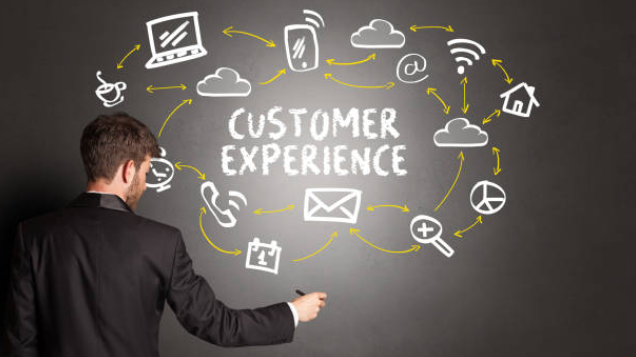
In 2026, customer experience has become the most important factor for online business success. Customers no longer compare brands only on price; they compare how fast, personalized, and smooth their experience is. This is where Machine Learning (ML) is playing a game‑changing role.
Machine learning enables online businesses to understand customer behavior, predict needs, and deliver personalized experiences automatically. From product recommendations to customer support and marketing, ML is reshaping how businesses interact with customers at every stage of the journey.
This article explains how machine learning is transforming customer experience in online businesses and why it has become essential in 2026.

What Is Machine Learning in Simple Terms?
Machine learning is a branch of artificial intelligence that allows systems to learn from data and improve over time without being explicitly programmed. Instead of following fixed rules, ML systems analyze patterns, behaviors, and outcomes to make better decisions.
For online businesses, this means smarter systems that understand customers more deeply with every interaction.
Why Customer Experience Matters More Than Ever
In the competitive online market of 2026, customers expect:
- Fast responses
- Personalized content
- Relevant product recommendations
- Smooth buying journeys
If a business fails to deliver these, customers quickly move to competitors. Machine learning helps businesses meet and exceed these expectations efficiently.
Personalized Shopping Experiences
One of the biggest impacts of machine learning is personalization. ML algorithms analyze browsing history, purchase behavior, location, and preferences to show customers what they actually want.
Examples include:
- Personalized product recommendations
- Customized homepages
- Targeted discounts and offers
This level of personalization increases engagement, trust, and conversion rates.
Smarter Customer Support with ML
Machine learning has transformed customer support through AI‑powered chatbots and virtual assistants. These systems can:
- Answer frequently asked questions
- Resolve simple issues instantly
- Route complex queries to human agents
In 2026, customers expect 24/7 support, and ML ensures fast, consistent responses without increasing operational costs.
Predicting Customer Needs Before They Ask
Machine learning enables predictive analytics, allowing businesses to anticipate customer needs.
For example:
- Predicting when a customer may reorder a product
- Identifying customers likely to churn
- Suggesting upgrades or add‑ons at the right time
By acting proactively, businesses create smoother and more satisfying customer experiences.
Improving Website and App Experience
Machine learning analyzes how users interact with websites and apps. It helps businesses:
- Optimize page layouts
- Improve navigation
- Reduce bounce rates
ML systems identify friction points and automatically recommend improvements, making platforms more user‑friendly.
AI‑Driven Marketing Personalization
Marketing in 2026 is no longer one‑size‑fits‑all. Machine learning enables hyper‑personalized marketing by analyzing user behavior across channels.
ML improves:
- Email marketing personalization
- Ad targeting accuracy
- Content recommendations
This ensures customers see relevant messages, improving engagement and brand loyalty.
Voice Search and Conversational Experiences
Voice search and conversational interfaces are growing rapidly. Machine learning powers voice assistants and natural language processing, allowing customers to interact with businesses more naturally.
This improves accessibility and creates a more human‑like customer experience.

Reducing Cart Abandonment
Cart abandonment is a major challenge for online businesses. Machine learning helps reduce it by:
- Identifying abandonment patterns
- Sending personalized reminders
- Offering timely incentives
These strategies significantly improve checkout completion rates.
Building Trust Through Better Recommendations
Machine learning improves recommendation accuracy over time. When customers consistently see relevant suggestions, trust in the brand increases.
Trust leads to:
- Higher repeat purchases
- Longer customer relationships
- Positive reviews and referrals
Machine Learning and Customer Feedback Analysis
Customer feedback is valuable but difficult to analyze at scale. ML tools analyze reviews, surveys, and social media comments to identify sentiment and trends.
This helps businesses:
- Improve products and services
- Address issues faster
- Align with customer expectations
Challenges of Using Machine Learning
Despite its benefits, machine learning comes with challenges such as:
- Data privacy concerns
- Implementation costs
- Need for quality data
Businesses can overcome these challenges by using ethical data practices and choosing scalable ML tools.
The Future of Customer Experience with ML
The future of customer experience is intelligent, predictive, and deeply personalized. Machine learning will continue to evolve, enabling businesses to create seamless, intuitive experiences across all touchpoints.
Businesses that invest in ML today will lead the online market tomorrow.
Conclusion
In 2026, machine learning is no longer optional for online businesses—it is essential. By improving personalization, support, marketing, and decision‑making, ML is transforming customer experience at every level.
Online businesses that embrace machine learning gain a powerful competitive advantage, build stronger customer relationships, and achieve sustainable growth in a rapidly changing digital world.