
Artificial Intelligence is no longer just a buzzword. In 2026, AI is shaping industries, creating new jobs, and transforming how businesses operate. From automation to content creation, cybersecurity to healthcare, AI skills are now among the most in-demand abilities worldwide.
If you’re wondering how to start learning AI skills in 2026 — even if you are a complete beginner — this step-by-step roadmap will guide you from zero to confident.

Why Learning AI in 2026 Is a Smart Move
Before diving into the steps, let’s understand why AI skills matter:
- AI-related jobs are growing rapidly
- Remote AI roles are increasing globally
- Freelance AI services are highly profitable
- Businesses are investing heavily in automation
Even if you are not planning to become a programmer, AI literacy is becoming essential in almost every field.
Step 1: Understand What AI Really Is
Many beginners think AI means complex coding or robots. That’s not entirely true.
AI includes:
- Machine Learning
- Natural Language Processing
- Computer Vision
- Automation Tools
- AI-powered applications
You don’t need to master everything at once. Start by understanding the basic concepts of how machines “learn” from data.
👉 Spend 1 week just learning AI fundamentals through free online resources.

Step 2: Choose Your AI Path (Very Important)
AI is broad. Don’t try to learn everything.
Here are beginner-friendly paths:
- AI for Content & Marketing
- AI writing tools
- AI image generation
- AI automation
- AI for Coding & Development
- Python
- Machine Learning
- Neural Networks
- AI for Business & Automation
- Workflow automation
- Chatbots
- No-code AI tools
Pick one path based on your interest.
Step 3: Learn Basic Programming (If Required)
If you choose technical AI:
Start with:
- Python basics
- Variables and loops
- Functions
- Data handling
You don’t need advanced math at the beginning. Focus on understanding logic first.
If you choose non-technical AI:
You can skip coding and focus on:
- Prompt engineering
- AI tool mastery
- Automation systems

Step 4: Practice With Real AI Tools
Learning theory is not enough.
Start using tools like:
- AI chat assistants
- Automation platforms
- AI design tools
- AI video tools
Create small projects like:
- Automating emails
- Creating AI blog outlines
- Building simple chatbots
Hands-on practice builds real skill.
Step 5: Build Small Projects
To truly learn AI skills in 2026, you must create projects.
Examples:
- AI-powered blog assistant
- Resume optimizer using AI
- Simple machine learning model
- Automation workflow for small business
Projects prove your skill level and help you build confidence.
Step 6: Join AI Communities
Learning alone is slow.
Join:
- Tech forums
- AI discussion groups
- Developer communities
- Freelancing platforms
Networking helps you:
- Learn faster
- Find opportunities
- Stay updated with trends
Step 7: Stay Updated With AI Trends
AI evolves very fast.
In 2026, focus areas include:
- AI automation tools
- Ethical AI development
- AI in cybersecurity
- AI-powered search engines
- AI agents
Read blogs, follow industry updates, and continuously upgrade your knowledge.
Step 8: Monetize Your AI Skills
Once you build skills, you can:
- Offer freelance AI services
- Create AI-based digital products
- Start a YouTube or blog about AI
- Build AI tools for businesses
AI skills are highly monetizable.

Common Mistakes Beginners Make
Avoid these mistakes:
- ❌ Trying to learn everything at once
- ❌ Watching tutorials without practice
- ❌ Focusing only on theory
- ❌ Quitting after one week
- ❌ Ignoring real-world projects
Consistency is more important than speed.
How Long Does It Take to Learn AI?
Realistically:
- Basic understanding: 2–4 weeks
- Practical beginner level: 2–3 months
- Advanced level: 6–12 months
It depends on:
- Daily practice time
- Learning strategy
- Focus area
Final Roadmap Summary
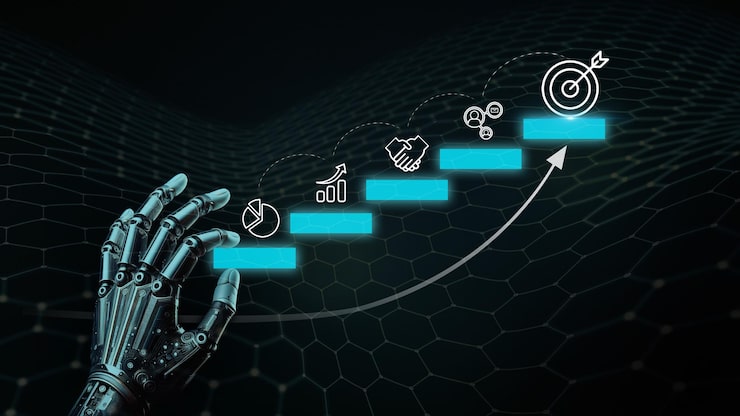
Here’s a simplified roadmap:
- Learn AI basics
- Choose a specific path
- Practice with tools
- Build small projects
- Join communities
- Stay consistent
If you follow this roadmap consistently for 90 days, you will be ahead of most beginners.
Final Thoughts
AI is not the future — it is the present. The earlier you start learning AI skills in 2026, the better your career opportunities will be.
Whether you want to freelance, get a high-paying remote job, or build your own tech business, AI knowledge gives you a competitive advantage.
The key is simple:
Start small. Stay consistent. Build real skills.