

The rise of online media has revolutionized the way information is produced, distributed, and consumed. News that once took hours or days to reach audiences now spreads within seconds through websites, social media platforms, and messaging apps. While this digital transformation has improved access to information, it has also created fertile ground for misinformation. False or misleading content circulates widely online, often reaching millions before it can be corrected. Misinformation has become one of the most serious challenges facing modern societies, affecting public trust, decision-making, and democratic processes.
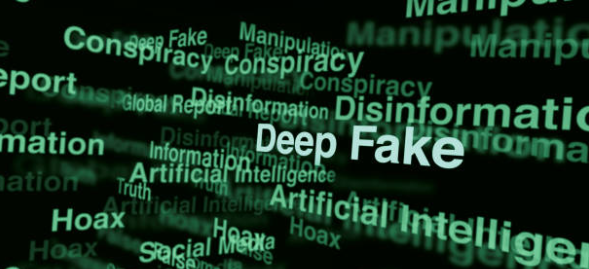
Understanding Misinformation in Online Media
Misinformation refers to false or inaccurate information that is shared without the intent to deceive. It differs from disinformation, which is deliberately created to mislead. In online media, misinformation can take many forms, including misleading headlines, edited images, manipulated videos, and unverified claims. Because digital platforms prioritize speed and engagement, misinformation often spreads faster than accurate reporting, making it difficult for audiences to distinguish fact from fiction.
Causes of Misinformation
Several factors contribute to the widespread presence of misinformation in online media.
Speed Over Accuracy
The pressure to publish quickly encourages users and media outlets to share information without proper verification. Breaking news situations are especially vulnerable to misinformation, as incomplete details are often presented as facts.
Social Media Algorithms
Algorithms prioritize content that generates engagement such as likes, shares, and comments. Sensational or emotionally charged misinformation often performs better than factual content, increasing its visibility.
Lack of Media Literacy
Many users lack the skills needed to critically evaluate online information. Inability to identify credible sources or recognize manipulated content makes audiences more susceptible to misinformation.
Economic Incentives
Click-driven revenue models reward high traffic rather than accuracy. Some websites and content creators intentionally exaggerate or distort facts to attract attention and advertising revenue.
Confirmation Bias
People are more likely to believe and share information that aligns with their existing beliefs. Online media environments reinforce this bias, allowing misinformation to thrive within like-minded communities.
Role of Social Media Platforms
Social media platforms play a central role in the spread of misinformation. Their open nature allows anyone to publish content, while limited moderation enables false information to circulate freely. Private messaging apps further complicate the issue, as misinformation spreads in closed groups where fact-checking is difficult. Platform policies often struggle to balance freedom of expression with the need to prevent harm.
Consequences of Misinformation
The impact of misinformation extends far beyond online spaces and has real-world consequences.
Erosion of Public Trust
Repeated exposure to false information weakens trust in media, institutions, and experts. When audiences cannot distinguish truth from falsehood, skepticism toward all information increases.
Public Health Risks
Misinformation related to health issues can lead to dangerous behaviors, such as rejecting medical advice or spreading false cures. This can endanger lives and strain healthcare systems.
Political Polarization
False narratives and misleading claims deepen political divisions. Misinformation can influence elections, discourage civic participation, and undermine democratic processes.
Social Conflict
Misinformation can fuel fear, hatred, and violence by spreading rumors or false accusations against individuals or groups. Online misinformation has been linked to real-world unrest in many regions.
Impact on Journalism
Misinformation poses serious challenges to professional journalism. Journalists must compete with unverified content while maintaining credibility and accuracy. Fact-checking false claims consumes time and resources, often diverting attention from original reporting. The presence of misinformation also damages the reputation of legitimate media outlets, as audiences struggle to identify trustworthy sources.
Psychological Effects on Audiences
Exposure to misinformation can create confusion, anxiety, and information fatigue. Constantly encountering conflicting claims makes it difficult for individuals to form informed opinions. Over time, audiences may disengage from news entirely, reducing public awareness and civic engagement.
Possible Solutions to Misinformation
Addressing misinformation requires a multi-layered approach involving individuals, media organizations, technology companies, and governments.
Strengthening Media Literacy
Educating users to critically evaluate information is one of the most effective solutions. Media literacy programs can teach people how to verify sources, recognize bias, and identify manipulated content.
Responsible Journalism
Media organizations must prioritize accuracy over speed. Transparent correction policies, clear sourcing, and ethical reporting standards help rebuild trust and counter misinformation.
Platform Accountability
Technology companies should improve content moderation, label misleading information, and reduce the visibility of proven false content. Transparency in algorithm design is essential for accountability.
Fact-Checking Initiatives
Independent fact-checking organizations play a crucial role in identifying and correcting false claims. Collaboration between journalists, platforms, and fact-checkers can reduce misinformation’s reach.
Use of Technology
Artificial intelligence can assist in detecting fake news, deepfakes, and coordinated misinformation campaigns. However, technological solutions must be used carefully to avoid censorship or bias.
Role of Governments and Policy
Governments can support efforts to combat misinformation by promoting transparency, funding media literacy programs, and protecting press freedom. However, regulations must be designed carefully to avoid suppressing legitimate expression or independent journalism.
Shared Responsibility in the Digital Age
Combating misinformation is a shared responsibility. Users must verify information before sharing it, journalists must uphold ethical standards, platforms must enforce responsible policies, and institutions must communicate transparently. Collective awareness and cooperation are essential for creating a healthier information environment.
The Future of Online Media and Information Integrity
As technology evolves, misinformation tactics will become more sophisticated. Deepfakes and AI-generated content present new challenges. At the same time, advancements in verification tools and digital literacy offer hope. The future of online media depends on building systems that reward accuracy, credibility, and trust.

Conclusion
Misinformation in online media is a complex and growing challenge with far-reaching consequences. Its causes lie in technological systems, human behavior, and economic incentives, while its impacts affect trust, health, politics, and social stability. Addressing misinformation requires a balanced approach that protects freedom of expression while promoting accuracy and responsibility. Through media literacy, ethical journalism, platform accountability, and collective awareness, societies can reduce the harm caused by misinformation and strengthen the integrity of online media in the digital age.