
The dark side of hacking is a growing concern in today’s highly connected digital world. While hacking is sometimes associated with ethical security testing and innovation, its darker side involves illegal access, data theft, cybercrime, and serious damage to individuals, businesses, and governments. As technology advances, hacking techniques also become more sophisticated, making cybersecurity more important than ever.
Understanding the dark side of hacking is essential for anyone who uses the internet, owns digital devices, or runs an online business. This article explains what hacking really is, the different types of malicious hackers, common hacking methods, real-world impacts, and how individuals can protect themselves from cyber threats.
What Is Hacking and Why Does It Turn Dark
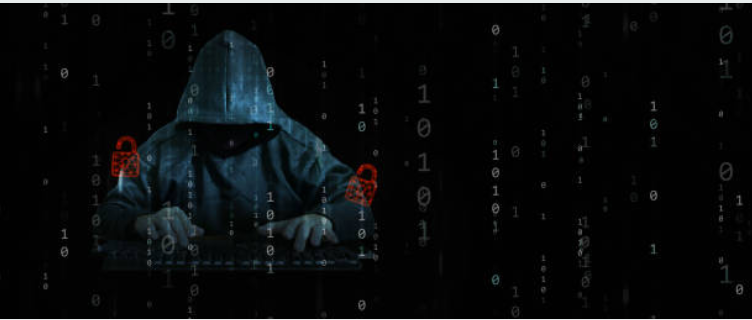
Hacking refers to gaining unauthorized access to computer systems, networks, or data. While ethical hacking helps improve security, the dark side of hacking focuses on exploitation, personal gain, and harmful intent.
Dark hacking activities include stealing sensitive information, disrupting online services, spreading malware, and manipulating systems for financial or political reasons. These actions violate laws and ethical standards, causing long-term harm to victims.
Types of Hackers in the Cyber World
Not all hackers are the same, and understanding their differences helps explain the dark side of hacking more clearly.
Black hat hackers are the most dangerous and are involved in illegal activities such as data theft, ransomware attacks, and financial fraud. Grey hat hackers operate without permission but may not always intend to cause harm. Script kiddies use ready-made tools without deep knowledge, often creating chaos without understanding consequences. Cybercriminal organizations and state-sponsored hackers pose the biggest threats, targeting large companies and governments.
Common Hacking Techniques Used Today
The dark side of hacking relies on various techniques to exploit systems and users.
Phishing attacks trick people into sharing personal information through fake emails or websites. Malware infects devices to spy on users or damage systems. Ransomware locks data and demands payment for its release. Password cracking uses brute force or leaked credentials to access accounts. Social engineering manipulates human behavior, making it one of the most effective hacking techniques.
The Impact of Hacking on Individuals
Hacking can cause severe problems for individuals, including identity theft, financial loss, and emotional stress. Personal data such as bank details, passwords, and private information can be stolen and misused.
Victims often struggle to recover, facing damaged credit scores and loss of trust in digital platforms. The dark side of hacking turns everyday internet use into a serious risk when security awareness is low.
How Businesses Suffer From Cyber Attacks
Businesses are major targets for hackers because they store valuable customer data and financial information. A single cyber attack can disrupt operations, damage brand reputation, and lead to legal consequences.
Data breaches reduce customer trust and cause revenue loss. Small businesses are especially vulnerable due to limited cybersecurity resources. The dark side of hacking has made cybersecurity a necessity rather than an option.
Government and Global Security Threats
Hacking has expanded beyond individuals and businesses to governments and critical infrastructure. Cyber espionage, election interference, and attacks on power grids and healthcare systems pose serious threats to national security.
State-sponsored hacking has become a modern form of warfare, showing how the dark side of hacking can impact global stability and public safety.

Legal Consequences of Hacking
Hacking is a criminal offense in most countries, and laws are becoming stricter as cybercrime increases.
Penalties can include heavy fines, imprisonment, and permanent criminal records. Even experimenting with hacking without permission can lead to serious legal trouble, making awareness of cyber laws extremely important.
Ethical Hacking vs the Dark Side of Hacking
Ethical hacking focuses on protecting systems, while the dark side of hacking exploits them. Ethical hackers work with permission to identify weaknesses and strengthen security.
The key difference lies in intent, authorization, and legality. Choosing ethical hacking opens career opportunities in cybersecurity instead of legal risks.
The Future of Hacking and Cybersecurity
As technology evolves, hacking methods will become more advanced. Artificial intelligence, automation, and deepfake technology may increase cyber threats.
At the same time, cybersecurity tools are also improving. Organizations and governments are investing heavily in digital protection. Understanding the dark side of hacking today helps prepare for future challenges.

How to Protect Yourself From Hackers
Protection starts with basic cybersecurity habits. Use strong and unique passwords, enable two-factor authentication, and keep software updated to fix vulnerabilities.
Avoid suspicious links, unknown downloads, and unsecured networks. Antivirus software and awareness of online threats play a major role in staying safe from hackers.
Conclusion
The dark side of hacking is a serious threat to individuals, businesses, and global security. From financial fraud to cyber warfare, the consequences of malicious hacking are widespread.
By understanding hacking techniques, recognizing risks, and following strong cybersecurity practices, we can reduce vulnerability and stay protected. Responsible and ethical use of technology is essential for a safer digital future.