

The rapid advancement of digital technology has continuously reshaped how humans interact, work, and entertain themselves. Among the most discussed innovations of recent years is the concept of the Metaverse. Often described as a virtual universe that combines digital spaces with real-life experiences, the metaverse promises to revolutionize communication, business, education, and entertainment.
Technology giants, developers, and investors see the metaverse as the next evolution of the internet. Virtual reality (VR), augmented reality (AR), blockchain, and artificial intelligence (AI) form the foundation of this emerging digital world. However, despite the excitement, many critics question whether the metaverse represents a long-term digital reality or merely a temporary technological trend. This article explores the concept of the metaverse, its potential benefits, challenges, real-world applications, and future possibilities.
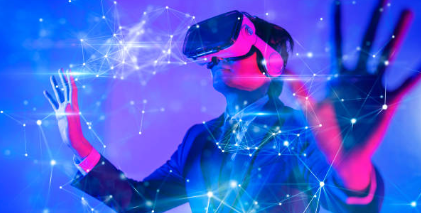
Understanding the Concept of the Metaverse
The term “metaverse” refers to a shared virtual space where users can interact with each other and digital environments in real time. It goes beyond traditional internet experiences by offering immersive, three-dimensional spaces accessed through avatars.
In the metaverse, users can attend virtual meetings, socialize, shop, play games, learn skills, and even work. Unlike standard websites or social media platforms, the metaverse aims to create a persistent digital world that continues to exist even when users are offline.
Technologies Powering the Metaverse
Virtual Reality and Augmented Reality
Virtual reality allows users to experience fully immersive digital environments using headsets, while augmented reality overlays digital elements onto the real world. These technologies create realistic and interactive experiences that form the core of the metaverse.
Artificial Intelligence
AI enhances the metaverse by enabling intelligent avatars, realistic simulations, and personalized digital experiences. AI-driven systems help create responsive environments and natural interactions within virtual worlds.
Blockchain and Digital Assets
Blockchain technology supports digital ownership within the metaverse. Non-fungible tokens (NFTs) and cryptocurrencies allow users to own virtual land, assets, and identities securely. This digital economy enables buying, selling, and trading within virtual environments.
High-Speed Internet and Cloud Computing
Fast internet connections and cloud computing ensure smooth performance and scalability of metaverse platforms. These technologies allow millions of users to interact simultaneously in virtual spaces.
Applications of the Metaverse
Social Interaction and Communication
The metaverse offers new ways for people to connect beyond text messages and video calls. Users can attend virtual events, concerts, and gatherings using avatars, creating a stronger sense of presence and interaction.
This immersive communication may redefine social relationships, especially for people separated by distance.
Education and Virtual Learning
Education is one of the most promising areas of metaverse application. Virtual classrooms, laboratories, and simulations allow students to learn through experience rather than theory alone. Complex concepts can be visualized and practiced in safe digital environments.
The metaverse has the potential to make education more engaging, accessible, and interactive for learners worldwide.
Business and Remote Work
The metaverse introduces virtual offices where employees can collaborate, attend meetings, and work together regardless of location. Businesses can host product launches, conferences, and training programs in immersive virtual spaces.
This could redefine remote work by combining flexibility with real-time collaboration.
Entertainment and Gaming
Gaming is currently the most developed aspect of the metaverse. Virtual worlds allow players to socialize, compete, and create content. Entertainment extends beyond games to include virtual concerts, movies, and interactive storytelling experiences.
The metaverse offers creators new opportunities to monetize content and engage audiences.
Healthcare and Therapy
In healthcare, the metaverse can be used for medical training, virtual therapy sessions, and rehabilitation programs. Simulated environments help doctors practice procedures, while patients can receive mental health support in controlled digital spaces.
Benefits of the Metaverse
Enhanced Digital Experiences
The metaverse offers immersive experiences that go beyond traditional online interactions. Users feel more engaged and connected through realistic virtual environments.
Global Accessibility
People from different regions can access the same virtual spaces, reducing geographical barriers. This promotes global collaboration, education, and cultural exchange.

Economic Opportunities
The metaverse creates new job roles and industries, including virtual designers, developers, digital marketers, and content creators. Virtual economies open opportunities for entrepreneurship and innovation.
Creativity and Innovation
Users can create and customize virtual spaces, avatars, and experiences. This freedom encourages creativity and allows individuals to express themselves in new ways.
Challenges and Limitations of the Metaverse
Technological Barriers
High-quality metaverse experiences require advanced hardware such as VR headsets and powerful devices. These technologies are expensive and not accessible to everyone, creating a digital divide.
Privacy and Data Security
The metaverse collects vast amounts of personal data, including biometric information and behavioral patterns. Protecting user privacy and preventing data misuse are major concerns.
Mental Health and Addiction Risks
Spending excessive time in virtual worlds may lead to social isolation, addiction, and detachment from reality. Maintaining a healthy balance between virtual and real life is essential.
Ethical and Social Concerns
Issues such as virtual harassment, identity theft, and digital inequality raise ethical questions. Clear regulations and community guidelines are necessary to ensure a safe digital environment.
Is the Metaverse Just a Trend?
Critics argue that the metaverse is overhyped and may follow the path of previous tech trends that failed to meet expectations. High costs, limited adoption, and technological complexity may slow its growth.
Additionally, many current metaverse platforms lack standardization and interoperability, making widespread adoption challenging.
Why the Metaverse Could Be the Future
Supporters believe the metaverse represents the next stage of internet evolution, often referred to as Web 3.0. As technology improves and becomes more affordable, adoption is expected to increase.
Historical patterns show that transformative technologies often face skepticism in their early stages. The metaverse may evolve gradually, integrating into daily life over time rather than replacing the physical world entirely.
The Future of the Metaverse
The future of the metaverse depends on technological advancements, ethical design, and user acceptance. Improvements in VR hardware, AI intelligence, and digital regulations will shape its success.
Rather than being a single virtual world, the metaverse is likely to become a network of interconnected digital spaces. If developed responsibly, it could complement real life by enhancing productivity, creativity, and connection.

Conclusion
The metaverse stands at the intersection of innovation and uncertainty. It offers exciting possibilities for communication, education, business, and entertainment, while also raising serious concerns about privacy, accessibility, and mental health.
Whether the metaverse becomes a lasting digital reality or fades as a trend depends on how technology developers, governments, and users shape its growth. If balanced with ethical practices and human-centered design, the metaverse has the potential to redefine the digital experience. The key lies not in escaping reality, but in enhancing it responsibly.