
Artificial Intelligence (AI) has rapidly evolved from a theoretical concept into one of the most powerful and influential technologies of the modern world. Today, AI systems are embedded in everyday life, from voice assistants and recommendation algorithms to medical diagnostics and autonomous vehicles. The rise of artificial intelligence marks a turning point in human history, redefining how people work, communicate, and make decisions.
While AI offers immense benefits such as efficiency, innovation, and problem-solving capabilities, it also presents serious risks and ethical challenges. Concerns about job displacement, data privacy, algorithmic bias, and loss of human control continue to grow. Understanding the benefits, risks, and ethical implications of AI is essential for ensuring that this powerful technology serves humanity responsibly.

Understanding Artificial Intelligence
Artificial intelligence refers to computer systems designed to perform tasks that typically require human intelligence. These tasks include learning, reasoning, decision-making, language understanding, and pattern recognition. AI systems rely on technologies such as machine learning, deep learning, neural networks, and natural language processing.
Unlike traditional software, AI systems can improve over time by learning from data. This ability makes AI highly adaptable and powerful, but it also raises concerns about transparency and control.
The Rapid Rise of Artificial Intelligence
The rise of AI has been driven by several key factors. Advances in computing power, availability of massive datasets, and improvements in algorithms have accelerated AI development. Cloud computing and high-speed internet have made AI accessible to businesses and individuals worldwide.
Governments and private organizations are investing heavily in AI research, recognizing its potential to transform economies and societies. As a result, AI adoption is expanding across industries at an unprecedented pace.
Benefits of Artificial Intelligence
Increased Efficiency and Productivity
One of the greatest benefits of AI is its ability to automate repetitive and time-consuming tasks. AI systems can process vast amounts of data quickly and accurately, improving efficiency in industries such as manufacturing, finance, healthcare, and customer service.
Automation allows human workers to focus on creative, strategic, and complex tasks, increasing overall productivity and performance.
Advancements in Healthcare
AI has revolutionized healthcare by improving diagnosis, treatment, and patient care. AI-powered systems can analyze medical images, detect diseases early, and assist doctors in making accurate decisions.
Personalized medicine, predictive analytics, and robotic surgery have improved treatment outcomes and reduced healthcare costs. AI also supports telemedicine and remote patient monitoring, expanding access to healthcare services.
Innovation and Technological Progress
AI drives innovation by enabling new products, services, and solutions. From smart cities and autonomous vehicles to intelligent energy systems, AI helps solve complex global challenges.
In scientific research, AI accelerates discoveries by analyzing data and identifying patterns beyond human capability. This innovation contributes to economic growth and technological advancement.
Improved Decision-Making
AI systems support decision-making by providing data-driven insights. Businesses use AI to predict market trends, optimize supply chains, and improve customer experiences.
Governments and organizations rely on AI for risk assessment, resource management, and policy planning. When used correctly, AI enhances accuracy and reduces human bias in decision-making.
Risks Associated with Artificial Intelligence
Job Displacement and Economic Impact
One of the most discussed risks of AI is job displacement. Automation threatens jobs that involve repetitive or routine tasks, particularly in manufacturing, transportation, and administrative roles.
While AI creates new job opportunities, the transition may lead to unemployment and economic inequality if workers are not reskilled. Managing this shift is a major social and economic challenge.
Data Privacy and Surveillance
AI systems rely heavily on data, often collecting personal and sensitive information. This raises serious concerns about privacy and surveillance. Unauthorized data access, misuse, and mass monitoring threaten individual freedom and trust.
Without strong regulations, AI-powered surveillance systems can be used unethically, leading to social control and loss of privacy.
Bias and Discrimination
AI algorithms can reflect and amplify biases present in training data. Biased AI systems may produce unfair outcomes in areas such as hiring, law enforcement, lending, and healthcare.
Algorithmic bias undermines fairness and equality, potentially harming marginalized groups. Addressing bias requires diverse data, transparent algorithms, and continuous evaluation.
Loss of Human Control
As AI systems become more autonomous, concerns arise about loss of human control. Complex AI models often operate as “black boxes,” making it difficult to understand how decisions are made.
Over-reliance on AI may reduce human judgment and accountability, especially in critical areas such as defense, healthcare, and justice systems.
Ethical Challenges of Artificial Intelligence
Transparency and Accountability
One of the key ethical challenges is ensuring transparency in AI decision-making. Users and stakeholders must understand how AI systems reach conclusions.
Accountability is equally important. When AI systems cause harm or make mistakes, determining responsibility becomes complex. Clear ethical guidelines and legal frameworks are essential.
Human Dignity and Autonomy
AI should respect human dignity and autonomy. Technologies that manipulate behavior, emotions, or opinions raise ethical concerns. AI-driven misinformation and deepfake technology can undermine trust and democracy.
Ensuring that humans remain in control of AI systems is crucial for preserving ethical values.
Ethical Use of AI in Warfare
The use of AI in military applications, such as autonomous weapons, presents serious moral dilemmas. Delegating life-and-death decisions to machines challenges fundamental ethical principles.
International cooperation and ethical agreements are necessary to regulate AI use in warfare and prevent misuse.
The Role of Governments and Organizations
Governments play a vital role in regulating AI development and usage. Policies related to data protection, transparency, and accountability help ensure responsible AI adoption.
Organizations must adopt ethical AI practices, including fairness testing, privacy protection, and human oversight. Ethical AI is not only a moral obligation but also essential for long-term trust and sustainability.
The Role of Education and Public Awareness
Education is key to addressing AI challenges. People must understand how AI works, its benefits, and its risks. Digital literacy and AI education help individuals adapt to technological changes and make informed decisions.
Training programs and reskilling initiatives prepare workers for AI-driven job markets, reducing economic disruption.
The Future of Artificial Intelligence
The future of AI holds both promise and uncertainty. Emerging technologies such as general artificial intelligence, quantum computing, and advanced robotics may further transform society.
If guided by ethical principles, AI can help solve global challenges such as climate change, healthcare access, and poverty. The direction AI takes depends on collective choices made by governments, developers, and users.
Conclusion
The rise of artificial intelligence represents one of the most significant technological transformations of our time. AI offers remarkable benefits, including efficiency, innovation, improved healthcare, and enhanced decision-making. However, it also presents serious risks and ethical challenges related to employment, privacy, bias, and control.
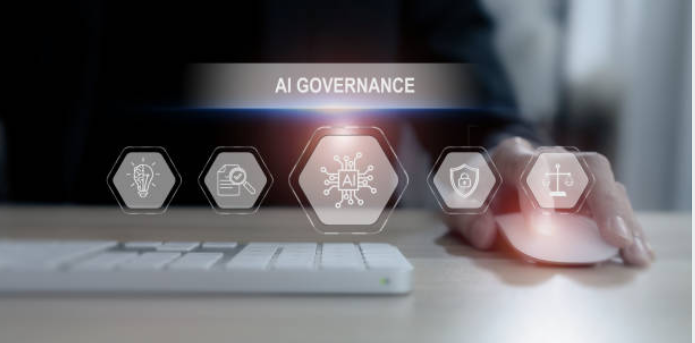
To ensure that AI serves humanity positively, responsible development and ethical governance are essential. Balancing innovation with accountability, transparency, and human values will determine whether artificial intelligence becomes a force for progress or a source of harm. The future of AI lies not in replacing humans, but in empowering them responsibly.