

Search engine optimization is changing faster than ever before. For years, ranking on Google meant optimizing for traditional search results, building backlinks, and publishing helpful content. But in 2026, people are no longer relying only on Google Search. Millions of users now ask questions directly to AI tools like ChatGPT, Google AI Overviews, Gemini, and Perplexity instead of clicking through multiple websites.
This shift has introduced a new concept called Generative Engine Optimization (GEO).
If you’ve recently heard terms like GEO SEO, AI Search Optimization, or SEO for ChatGPT, you’re not alone. Businesses, bloggers, and marketers are all trying to understand how content can be discovered not just by search engines but also by AI-powered assistants that generate answers instantly.
In this guide, I’ll explain what GEO SEO really is, how it differs from traditional SEO, why it matters in 2026, and the practical strategies that can help your content stay visible as AI-powered search continues to grow.

What Is GEO SEO?
Generative Engine Optimization (GEO) is the process of creating and structuring content so that AI-powered search engines and large language models (LLMs) can easily understand, trust, and reference it when generating answers.
Unlike traditional SEO, where the main goal is to rank higher in Google’s search results, GEO focuses on making your content useful enough for AI systems to cite, summarize, or recommend in their responses.
For example, imagine someone asks ChatGPT:
“What are the best AI tools for freelancers?”
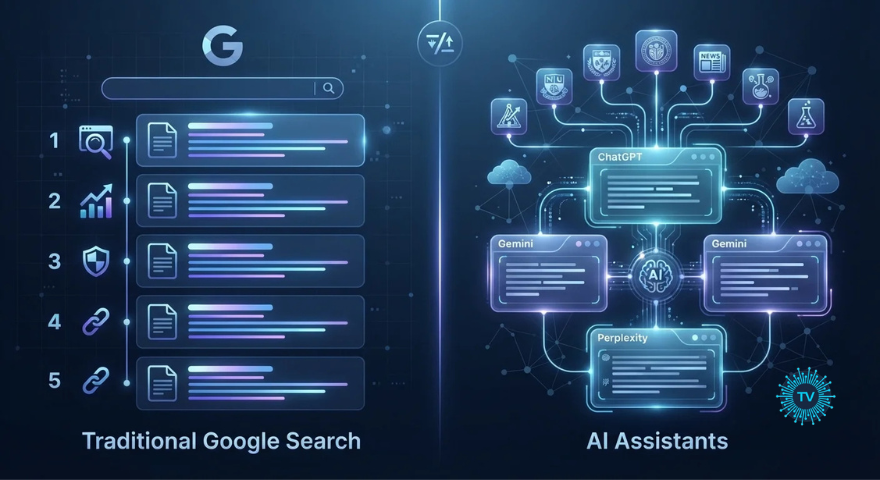
Instead of showing ten blue links like traditional Google Search, ChatGPT may provide a direct answer that references trusted websites. GEO aims to increase the chances that your content becomes one of those trusted sources.
In simple words:
- SEO helps people find your website.
- GEO helps AI find, understand, and recommend your content.
This doesn’t mean traditional SEO is becoming obsolete. Instead, GEO builds on the same foundation while adapting content for the next generation of AI-powered search experiences.
Why GEO SEO Matters in 2026
Only a few years ago, ranking on Google’s first page was the ultimate goal for most websites. Today, user behavior is changing rapidly. More people are asking AI assistants for recommendations, product comparisons, coding help, travel advice, and even shopping suggestions.
I’ve noticed this shift myself while researching technology topics. Instead of opening five or six browser tabs, it’s often faster to ask an AI assistant first and then verify details from trusted websites. Millions of users are adopting the same habit, which means publishers need to think beyond traditional search rankings.
If your content isn’t optimized for AI discovery, there’s a growing chance it will be overlooked—even if it ranks reasonably well in search engines.
The Rise of AI Search
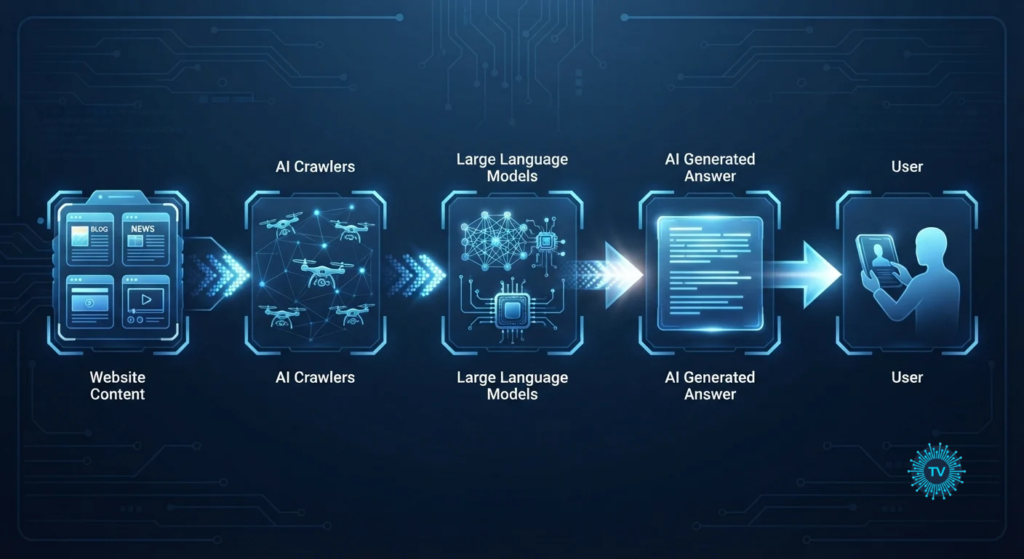
AI-powered search is transforming how people access information. Rather than presenting a list of links, modern AI systems analyze multiple trusted sources and generate a clear, conversational answer.
This approach saves users time and creates a more natural search experience, especially for complex questions that previously required visiting several websites.
As AI search continues to improve, websites that provide accurate, well-structured, and experience-driven content are more likely to become trusted references.
Google AI Overviews
One of the biggest changes in search is the introduction of Google AI Overviews.
Instead of displaying only traditional search results, Google can now generate AI-powered summaries that answer a user’s question directly while referencing information from reliable websites.
For content creators, this means writing articles that are not only keyword-optimized but also clear, trustworthy, and easy for AI systems to understand.
ChatGPT, Gemini, and Perplexity
It’s not just Google changing the search landscape.
AI assistants like ChatGPT, Gemini, and Perplexity are becoming popular tools for learning, research, coding, product recommendations, and everyday problem-solving.
These platforms don’t rank websites in the traditional sense. Instead, they prioritize content that demonstrates expertise, provides complete answers, and is written in a way that’s easy to interpret.
For publishers and businesses, this creates a new opportunity: instead of competing only for search rankings, you can also optimize your content to become part of AI-generated answers.
GEO vs SEO vs AEO: What’s the Difference?
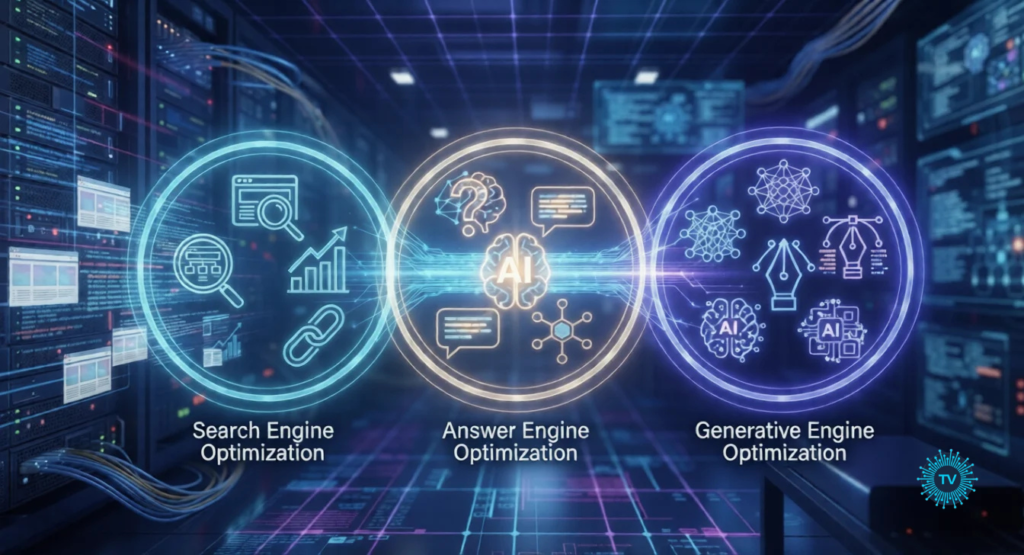
If you’ve been following the latest digital marketing trends, you’ve probably come across three terms: SEO, AEO, and GEO. They may sound similar, but each serves a different purpose.
Traditional SEO focuses on improving your website’s visibility in search engine results. AEO (Answer Engine Optimization) is about helping search engines provide direct answers to user questions, while GEO (Generative Engine Optimization) is designed for AI-powered platforms that generate complete responses using trusted sources.
The easiest way to understand the difference is through this comparison:
| Feature | SEO | AEO | GEO |
|---|---|---|---|
| Primary Goal | Rank in search engines | Answer user questions | Become a trusted AI source |
| Focus Platform | Google Search | Google Featured Snippets & Voice Search | ChatGPT, Gemini, Perplexity, AI Overviews |
| Content Style | Keyword-focused | Question & Answer | Context-rich, authoritative, conversational |
| Success Metric | Rankings & Traffic | Featured snippets & voice results | AI citations & recommendations |
| Optimization Method | Keywords & backlinks | Structured answers | Entities, EEAT, context, semantic relevance |
The important thing to understand is that GEO doesn’t replace SEO—it builds on it.
A website with poor SEO is unlikely to perform well in GEO because AI systems still rely on high-quality, trustworthy web content. Think of SEO as the foundation, AEO as the bridge to direct answers, and GEO as the next evolution for AI-powered search.
How Does GEO SEO Work?
One of the biggest misconceptions is that AI tools simply “read the internet” like humans do. In reality, they analyze patterns, relationships, trusted sources, and structured information before generating an answer.
That’s why some websites appear in AI-generated responses while others are ignored.
From my experience, content that performs well in AI search usually shares a few common characteristics: it’s well-organized, easy to understand, backed by trustworthy information, and answers the user’s question completely.
Let’s look at the key elements that make GEO SEO effective.
AI Understands Context, Not Just Keywords
Traditional SEO often emphasized placing keywords in titles, headings, and paragraphs.
GEO takes this a step further.
Modern AI systems try to understand the meaning behind your content rather than simply counting how many times a keyword appears. They analyze context, relationships between concepts, and whether your article genuinely answers the user’s intent.
For example, if you’re writing about Xiaomi HyperOS, AI also expects related topics such as Android updates, supported devices, AI features, battery optimization, privacy improvements, and performance enhancements.
This is why semantic writing has become more important than keyword stuffing.
Entity-Based SEO Is More Important Than Ever
One of the biggest changes in modern SEO is the growing importance of entities.
An entity is a clearly identifiable person, company, product, technology, or concept.
For example:
- Microsoft
- OpenAI
- Xiaomi HyperOS
- Android
- Artificial Intelligence
When AI recognizes these entities and understands how they’re connected, it becomes easier for your content to be interpreted accurately.
Instead of repeating the same keyword multiple times, focus on covering the topic naturally while mentioning related entities where relevant.
EEAT Builds Trust
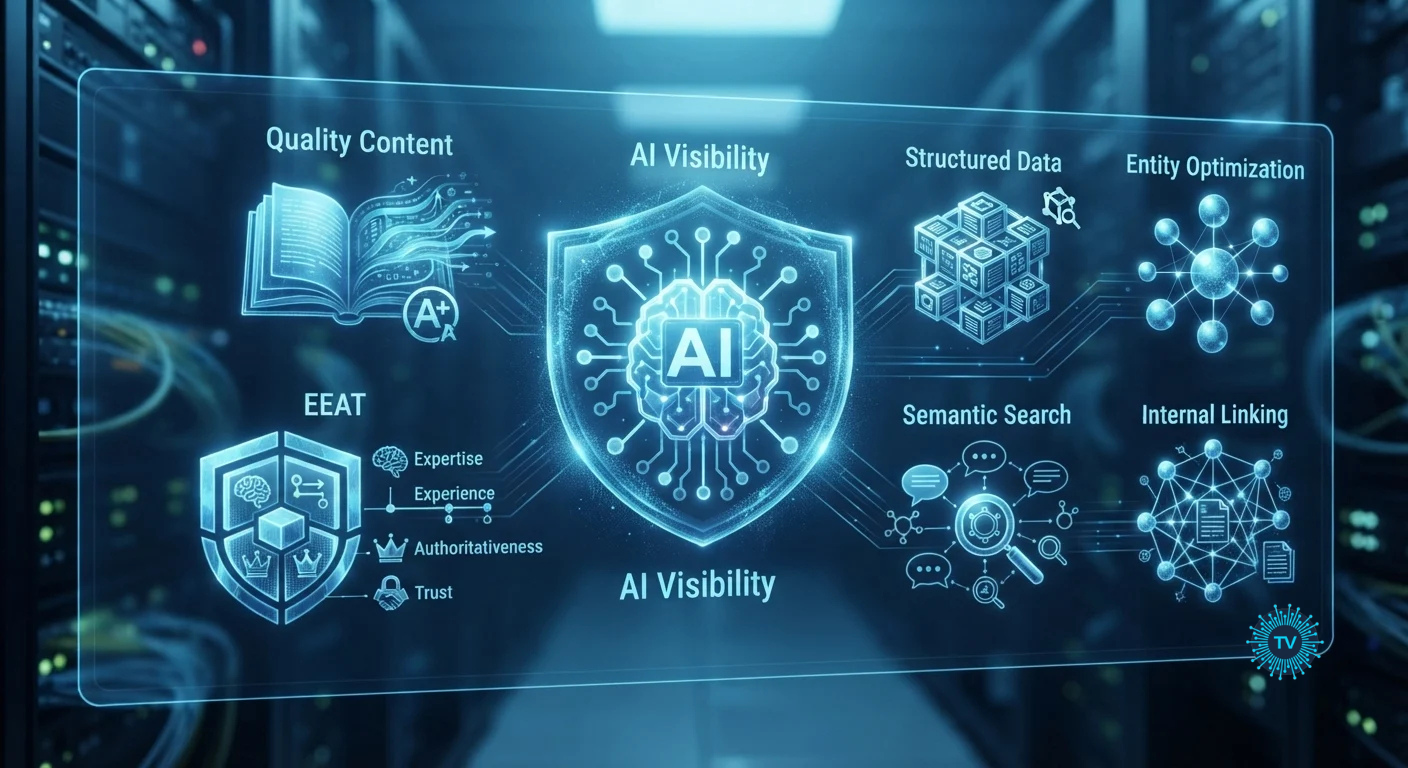
Google has emphasized the importance of Experience, Expertise, Authoritativeness, and Trustworthiness (EEAT), and these principles are equally valuable for GEO.
AI systems are more likely to reference content that demonstrates genuine expertise instead of generic information copied from multiple sources.
A few practical ways to improve EEAT include:
- Sharing real observations or experiences.
- Explaining concepts in your own words.
- Keeping information accurate and up to date.
- Citing trustworthy references when needed.
- Building topical authority by publishing related content consistently.
The more trustworthy your website becomes, the better your chances of being recognized by both search engines and AI-powered platforms.
Structured Content Helps AI Understand Your Page
AI models process structured information much more efficiently than long, unorganized paragraphs.
That’s why well-formatted content often performs better.
Some best practices include:
- Clear H2 and H3 headings.
- Short paragraphs.
- Bullet points where appropriate.
- Comparison tables.
- FAQ sections.
- Logical content flow from beginner to advanced concepts.
A well-structured article isn’t just easier for readers—it’s also easier for AI systems to analyze and summarize.
Best GEO SEO Strategies for Better AI Visibility
Understanding GEO SEO is only the first step. The real challenge is creating content that AI platforms consider reliable enough to reference.
Over the past year, one thing has become clear: AI doesn’t reward content just because it contains the right keywords. It favors pages that are genuinely useful, well-structured, and written with real expertise.
Here are the strategies I believe every website owner should start implementing.
Write Helpful Content First
The biggest mistake many publishers still make is writing for search engines instead of people.
AI systems are becoming much better at recognizing content that actually solves problems. Instead of chasing keyword density, focus on answering the user’s question completely.
Whenever I write a new article, I ask myself:
“If someone reads only this page, will they still need to search elsewhere?”
If the answer is “No,” then the content is usually on the right track.
Answer Questions Clearly
AI assistants often extract information from articles that provide direct and well-organized answers.
Instead of writing long introductions for every section, explain the main point early and then expand with examples or practical insights.
This approach improves readability and increases the chances of your content being summarized accurately.
Use Entity-Based SEO
Instead of repeating one keyword throughout the article, naturally include related entities.
For example, if you’re writing about GEO SEO, mentioning companies, technologies, and concepts such as Google Search Central, OpenAI, Microsoft Bing, Gemini, and Schema.org helps AI understand the broader context of your content.
The goal is to build topical relevance—not keyword repetition.
Build EEAT Naturally
Trust has become one of the most valuable ranking signals.
Rather than rewriting information already available everywhere, share practical observations, explain concepts in your own words, and keep your articles updated as technology evolves.
Readers—and AI systems—are more likely to trust content that demonstrates genuine experience.

Strengthen Your Internal Linking
One well-written article isn’t enough to build authority.
If you regularly publish related content, connect those articles using relevant internal links.
For example, a GEO SEO guide can naturally link to:
- What Is the New AI Trend in 2026?
- Xiaomi HyperOS Explained
- Best AI Tools for Freelancers
- Technical Debt Management Guide
This helps readers explore related topics while also improving your website’s topical authority.
Use Reliable External References
Not every statement needs an external source, but factual claims, statistics, or official recommendations should be supported by trusted references.
Whenever appropriate, refer readers to authoritative resources like Google Search Central, Schema.org, or OpenAI.
Quality matters far more than the number of links.
Use Schema Markup
Structured data helps search engines and AI systems better understand your content.
Depending on the article, consider using:
- Article Schema
- FAQ Schema
- Breadcrumb Schema
- Author Schema
These don’t guarantee higher visibility, but they make your content easier to interpret.
Optimize for AI Summaries
Modern AI tools prefer content that is:
- Easy to scan
- Well-structured
- Written in simple language
- Divided into logical sections
- Supported by examples
- Free from unnecessary filler
Clear formatting often makes a noticeable difference.
Common GEO SEO Mistakes
Many websites are trying to optimize for AI search, but they continue making the same mistakes.
Avoid these common issues:
- Publishing thin AI-generated content without human editing.
- Stuffing the same keyword into every paragraph.
- Ignoring topical authority.
- Using outdated information.
- Writing overly long paragraphs.
- Skipping FAQs.
- Not updating older articles.
- Relying on low-quality or unreliable sources.
Remember, AI values usefulness more than volume.
Best GEO SEO Tools
Several tools can help improve both traditional SEO and GEO performance.
Some of my favorites include:
- Google Search Console for monitoring search performance.
- Google Trends for identifying emerging topics.
- ChatGPT for brainstorming and content planning.
- Jasper AI for AI-assisted writing workflows.
- Ahrefs for keyword and backlink research.
- Semrush for competitive analysis.
No single tool guarantees success. Consistent publishing and quality content remain the most important factors.
Is GEO Better Than Traditional SEO?
This is one of the most common questions today.
The honest answer is no.
GEO isn’t replacing SEO—it’s expanding it.
Traditional SEO still drives organic traffic from search engines, while GEO helps your content become more visible in AI-generated responses.
The strongest strategy is combining both.
A website with solid technical SEO, high-quality content, and GEO-friendly optimization is far more likely to succeed than one focusing on only a single approach.
The Future of GEO SEO
AI-powered search is still evolving, but the direction is already clear.
Over the next few years, we can expect:
- More AI-generated search experiences.
- Better personalized search results.
- Increased use of multimodal AI.
- Smarter voice assistants.
- Greater emphasis on trust and expertise.
- Higher importance of topical authority.
Content creators who adapt early will have a significant advantage.
Frequently Asked Questions (FAQs)
What is AEO vs GEO vs SEO?
SEO focuses on improving rankings in traditional search engines. AEO helps content appear as direct answers in search results and voice assistants. GEO optimizes content so AI platforms like ChatGPT, Gemini, and Google AI Overviews can understand, summarize, and reference it in generated responses.
What is GEO in SEO example?
A practical example of GEO is writing a detailed guide about Xiaomi HyperOS using clear headings, related entities, structured information, and trustworthy references. This increases the chances of AI assistants using your content when answering user questions.
What is the difference between LLM and GEO SEO?
An LLM (Large Language Model) is the AI technology that understands and generates human language. GEO SEO is the process of optimizing your content so these AI models can better understand, trust, and reference your website.
Which is better, SEO or GEO?
Neither is better on its own.
Traditional SEO remains essential for ranking in search engines, while GEO helps your content gain visibility in AI-powered search experiences. Using both together delivers the best long-term results.
Can GEO replace traditional SEO?
No.
GEO complements traditional SEO rather than replacing it. Websites still need strong technical SEO, quality content, and authority to perform well in both search engines and AI platforms.
How do I optimize content for AI search?
Focus on creating helpful, experience-driven content with clear headings, entity-based optimization, strong internal linking, reliable external references, structured data, and regularly updated information.
Final Verdict
Generative Engine Optimization is not just another digital marketing buzzword—it’s the next step in the evolution of search.
As AI assistants become part of everyday life, websites that prioritize helpful content, real expertise, and clear structure will have a much better chance of being discovered, referenced, and recommended.
Instead of asking whether SEO is dead, a better question is this:
“Is my content useful enough for both people and AI?”
If the answer is yes, you’re already moving in the right direction.