

What is Xiaomi HyperOS?
For years, Xiaomi users were familiar with MIUI, an Android-based interface that offered countless customization options. However, as smartphones became smarter and connected devices like tablets, smartwatches, TVs, and IoT products became more common, Xiaomi needed something more advanced than a traditional Android skin. That’s where Xiaomi HyperOS comes in.
At first, I also assumed HyperOS was simply a redesigned version of MIUI. But after following Xiaomi’s announcements, update changelogs, and early user feedback, it became clear that Xiaomi has taken a much bigger step. Instead of focusing only on visual changes, HyperOS is designed to create a unified ecosystem where multiple Xiaomi devices can communicate and work together more efficiently.
Unlike MIUI, which mainly focused on smartphone customization, HyperOS aims to improve performance, battery optimization, AI integration, privacy, and cross-device connectivity. Whether you’re using a Xiaomi flagship phone, a Redmi device, or even other Xiaomi smart products, the new operating system is built to make everything feel more connected and responsive.
Another thing I appreciate is that Xiaomi didn’t completely change the user experience overnight. The interface still feels familiar, making the transition easier for existing users while introducing meaningful improvements behind the scenes.
If you’ve been following mobile software trends, you’ll notice that almost every major smartphone brand is investing heavily in Artificial Intelligence (AI). Xiaomi is following the same direction, and HyperOS is the foundation for many of the company’s future AI-powered features.
If you’re interested in how AI is transforming smartphones across different brands, you can also read our article on Samsung Galaxy S26 Ultra AI Features Explained.
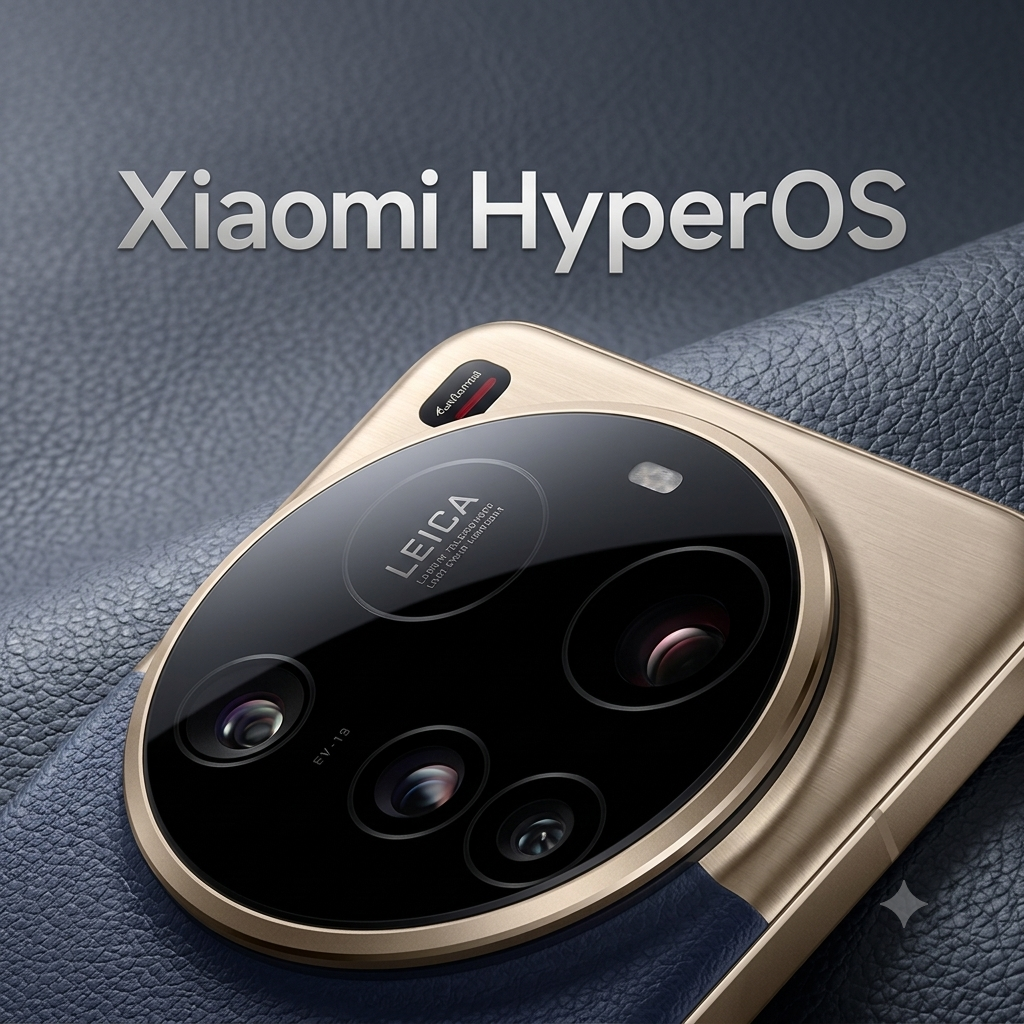
Why Did Xiaomi Replace MIUI?
Many users wonder why Xiaomi decided to move away from MIUI after so many years. In my opinion, the answer is simple: the smartphone industry has changed dramatically.
Today’s users don’t just own a phone. They often use tablets, smartwatches, earbuds, smart TVs, security cameras, and other connected devices. Managing all of these through an older operating system becomes increasingly difficult.
HyperOS has been developed with a long-term vision. Instead of treating each device separately, Xiaomi wants them to function as one intelligent ecosystem.
Some of the biggest reasons behind replacing MIUI include:
- Better system performance
- Improved battery efficiency
- Faster app launching
- Stronger security and privacy controls
- AI-powered smart features
- Smoother device-to-device communication
- Reduced system resource usage
From what I’ve seen so far, Xiaomi is clearly focusing on optimization rather than simply adding flashy features. That approach usually results in a better everyday experience for users.
How is HyperOS Different from MIUI?
Although HyperOS may look similar to MIUI at first glance, there are significant differences underneath the surface.
MIUI was primarily built as a customized Android interface for smartphones. HyperOS, on the other hand, is designed as a complete operating system capable of running across multiple categories of Xiaomi devices.
Some noticeable improvements include:
- Faster system animations
- Better RAM management
- Lower background resource usage
- Improved battery optimization
- Enhanced security architecture
- More intelligent AI integration
- Better ecosystem connectivity
One of the things I personally like is that Xiaomi appears to be reducing unnecessary background processes. If this optimization continues with future updates, users should experience smoother multitasking and longer battery life without requiring high-end hardware.
Rather than introducing unnecessary visual effects, HyperOS seems to focus on practical improvements that users actually notice during daily use.
Key Features of Xiaomi HyperOS
After spending time reading Xiaomi’s official announcements, testing feedback from early users, and comparing HyperOS with previous MIUI versions, one thing became clear: Xiaomi hasn’t focused on flashy visual changes alone. Instead, the company has invested in making the operating system faster, smarter, and more efficient in everyday use.
Rather than introducing unnecessary features that most users never touch, HyperOS improves the areas that actually matter—performance, battery life, security, and seamless connectivity between devices. Below are the features that stand out the most.
AI-Powered Features
Artificial Intelligence has become one of the biggest trends in the smartphone industry, and Xiaomi HyperOS embraces this shift with several AI-powered enhancements.
Unlike older software updates that mainly introduced cosmetic changes, HyperOS uses AI to improve the overall user experience behind the scenes. Many routine tasks now feel more intelligent, helping the phone understand user behavior and optimize resources automatically.
Some AI-powered capabilities include:
- Intelligent app management based on usage habits.
- Smarter battery optimization using AI predictions.
- AI-assisted photo processing for better image quality.
- Faster voice recognition and smart assistant improvements.
- Context-aware recommendations within supported apps.
From my perspective, this is where Xiaomi is heading in the right direction. Instead of advertising AI as just another marketing buzzword, the company is gradually integrating it into features that users interact with daily.
If Xiaomi continues expanding these AI capabilities through future software updates, HyperOS could become one of the most intelligent Android experiences available.
If you’re interested in the future of artificial intelligence, don’t miss our guide on What Is the New AI Trend in 2026?
For readers who want to explore Android’s official AI capabilities and developer technologies, you can also visit Android Developers.

Better Performance
Performance improvements are among the first things users notice after installing a new operating system, and HyperOS aims to deliver a smoother experience without requiring expensive flagship hardware.
According to Xiaomi, the system has been redesigned to reduce unnecessary resource consumption while improving memory management and overall responsiveness.
In practical use, these improvements may include:
- Faster app opening times.
- Smoother multitasking.
- Reduced system lag.
- Better RAM utilization.
- Faster system animations.
- Improved gaming responsiveness.
Although the exact results will vary depending on the device model, early feedback suggests that even supported mid-range smartphones feel noticeably more responsive after upgrading.
Personally, I appreciate Xiaomi’s focus on optimization rather than simply increasing hardware requirements. A well-optimized operating system often provides a better user experience than adding more RAM or processing power alone.
Improved Battery Optimization
Battery life remains one of the biggest concerns for smartphone users, and Xiaomi appears to have made battery efficiency a major priority in HyperOS.
Instead of relying only on larger batteries, the operating system intelligently manages background activities, reduces unnecessary power consumption, and allocates resources more efficiently.
Some improvements include:
- Better background app control.
- Smarter standby management.
- Reduced idle battery drain.
- More efficient CPU scheduling.
- Intelligent charging optimization.
These changes may not seem dramatic during the first few hours of use, but over weeks of daily usage, they can make a noticeable difference.
From what I’ve observed, Xiaomi is following the same optimization strategy used by other leading smartphone brands—improving software efficiency rather than depending entirely on hardware upgrades.
Enhanced Privacy & Security
Privacy has become increasingly important as smartphones store more personal information than ever before. HyperOS introduces several security enhancements designed to give users greater control over their data.
Some notable privacy improvements include:
- Better permission management.
- Enhanced application isolation.
- Stronger protection against malicious apps.
- Improved security updates.
- More transparent privacy controls.
One feature I particularly appreciate is the increased transparency regarding app permissions. Instead of allowing applications unrestricted access to sensitive information, HyperOS gives users more control over what data can be accessed.
For users who prioritize digital privacy, these improvements make the operating system feel much more trustworthy.
Readers interested in Android’s official security practices can learn more through Android Security.

Cross-Device Connectivity
One of the biggest reasons Xiaomi developed HyperOS was to create a connected ecosystem rather than isolated devices.
Today, many users own more than just a smartphone. They also use tablets, smartwatches, earbuds, smart TVs, laptops, and smart home products.
HyperOS allows these devices to communicate more efficiently, making everyday tasks simpler.
Examples include:
- Faster file sharing between Xiaomi devices.
- Better synchronization across products.
- Improved device discovery.
- Smarter ecosystem integration.
- Seamless switching between supported devices.
This is an area where I believe HyperOS has significant long-term potential. As Xiaomi continues expanding its ecosystem, the value of these connected features will likely become even more noticeable.
To explore the latest software announcements directly from the manufacturer, you can also visit Xiaomi Official.
Transition to the Next Section
Now that we’ve explored the most important features of Xiaomi HyperOS, the next question is equally important: Which Xiaomi, Redmi, and POCO smartphones actually support HyperOS, and what new improvements are arriving in the 2026 updates?
Xiaomi HyperOS Supported Devices
One of the first questions users ask after hearing about HyperOS is whether their phone will receive the update. While Xiaomi continues expanding the rollout, support mainly depends on your device model and region.
In general, flagship smartphones receive updates first, followed by premium mid-range devices and selected budget models. Xiaomi has also confirmed that many Redmi and POCO devices are part of its long-term software update strategy.
Some of the popular device categories expected to support Xiaomi HyperOS include:

Xiaomi Series
- Xiaomi 15 Series
- Xiaomi 14 Series
- Xiaomi 13 Series
- Selected Xiaomi 12 models
Redmi Series
- Redmi Note 15 Series
- Redmi Note 14 Series
- Redmi Note 13 Series
- Selected Redmi K Series
POCO Series
- POCO F Series
- POCO X Series
- Selected POCO M devices
It’s important to remember that software rollout schedules vary depending on the country and mobile carrier. Even if your device is eligible, the update may arrive later than in other regions.
For the latest compatibility information, users should always check Xiaomi Official.
What’s New in Xiaomi HyperOS 2026?
The 2026 version of Xiaomi HyperOS focuses less on dramatic visual redesigns and more on meaningful improvements that users notice during daily use.
Some of the most exciting updates include:
Smarter AI Experience
Artificial Intelligence has become more deeply integrated throughout the operating system. AI now helps optimize battery usage, improve camera processing, organize notifications, and enhance overall system responsiveness.
Better Gaming Performance
Gamers can expect:
- Lower touch latency
- More stable frame rates
- Improved thermal management
- Better background resource allocation
These optimizations help supported devices deliver a smoother gaming experience during longer sessions.
Improved Camera Processing
HyperOS introduces smarter image processing that enhances:
- HDR photography
- Night mode
- Portrait quality
- AI scene detection
- Video stabilization
While hardware still plays a major role, software improvements can noticeably improve image quality on supported devices.
Enhanced Customization
Users now have greater control over:
- Lock screen personalization
- Widgets
- System animations
- Dynamic wallpapers
- Notification layouts
These changes allow users to personalize their devices without affecting overall performance.
Stronger Ecosystem Integration
HyperOS continues moving toward a fully connected Xiaomi ecosystem, making it easier to switch tasks between smartphones, tablets, smart TVs, smartwatches, and other supported products.
From my perspective, this ecosystem approach may become one of Xiaomi’s biggest competitive advantages over the next few years.
Xiaomi HyperOS vs MIUI
| Feature | Xiaomi HyperOS | MIUI |
|---|---|---|
| Performance | Faster and more optimized | Good but heavier |
| Battery Optimization | Improved AI-based management | Standard optimization |
| AI Features | Advanced system-wide AI | Limited AI integration |
| Security | Enhanced privacy controls | Basic security improvements |
| Ecosystem | Cross-device connectivity | Limited ecosystem integration |
| Gaming | Better optimization | Average optimization |
| User Experience | Cleaner and smoother | More customization options |
After comparing both operating systems, I believe HyperOS is a natural evolution rather than a complete replacement. Existing MIUI users will still feel familiar with the interface while benefiting from improved speed, efficiency, and smarter software features.
Pros and Cons
Pros
- Excellent system optimization
- Faster performance
- Better battery efficiency
- Improved AI integration
- Stronger security features
- Better gaming experience
- Excellent cross-device connectivity
Cons
- Some older phones may not receive updates.
- Certain AI features depend on newer hardware.
- Regional rollout may take time.
- Some users may miss a few MIUI customization options.
- Should You Upgrade to Xiaomi HyperOS?
If your smartphone officially supports HyperOS, I believe upgrading is worthwhile.
The improvements are not limited to appearance—they also enhance the overall user experience. Better battery optimization, smoother multitasking, stronger security, and deeper AI integration make HyperOS feel like a more mature operating system.
However, if you rely on your phone for critical work, it may be wise to wait for the first stable update in your region before upgrading. This allows Xiaomi time to fix any early software bugs.
Overall, HyperOS appears to be a significant step forward for Xiaomi’s software ecosystem.
Frequently Asked Questions (FAQ)
Is Xiaomi HyperOS better than MIUI?
Yes. HyperOS offers better performance, AI-powered features, improved battery optimization, enhanced security, and stronger ecosystem integration compared to MIUI.
Which phones support Xiaomi HyperOS?
Many Xiaomi, Redmi, and POCO smartphones are eligible. The exact rollout depends on your device model and region. Check Xiaomi Official for the latest compatibility list.
Does HyperOS improve battery life?
Yes. HyperOS includes smarter background management, AI-based optimization, and improved power efficiency that can help extend battery life during everyday use.
Is Xiaomi HyperOS available globally?
Yes, but rollout schedules differ across countries and regions. Some users receive updates earlier than others.
Is HyperOS good for gaming?
Yes. HyperOS improves frame stability, touch responsiveness, thermal management, and system optimization, making it a solid choice for mobile gamers.
Final Verdict
After analyzing Xiaomi’s official announcements, early user feedback, and the improvements introduced in HyperOS, it’s clear that this isn’t just another software update—it’s Xiaomi’s long-term vision for a connected ecosystem.
Rather than focusing only on cosmetic changes, HyperOS delivers meaningful improvements in performance, battery optimization, AI integration, security, and cross-device connectivity. These enhancements make daily smartphone use smoother while preparing Xiaomi devices for future AI-driven experiences.
If you’re already part of the Xiaomi ecosystem—or planning to join—it makes sense to keep an eye on HyperOS updates. As Xiaomi continues refining the platform, it’s likely to become one of the company’s strongest competitive advantages in the years ahead.