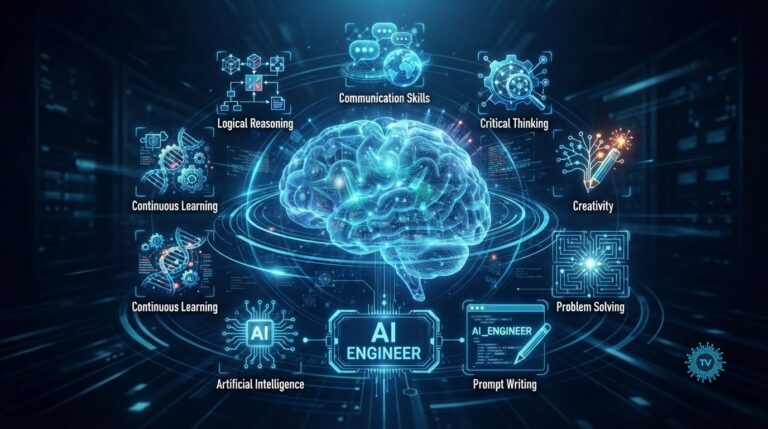

The rapid advancement of artificial intelligence has sparked a major debate: AI vs Humans—who will win the future of online work? As technology continues to evolve, many people are concerned about job security, automation, and the role of human skills in a digital economy dominated by machines.
AI is already transforming industries by automating tasks, improving efficiency, and reducing costs. At the same time, humans bring creativity, emotional intelligence, and critical thinking that machines cannot fully replicate. This creates an interesting balance between technology and human capability.
Understanding how AI and humans interact in the online workspace is essential for anyone looking to build a sustainable career in 2026 and beyond. AI vs Humans
If you want to learn how AI is transforming the future of online work in 2026 and creating new earning opportunities Powerful Ways AI Is Changing the Future of Online Work in 2026
The Rise of Artificial Intelligence in Online Work
Artificial intelligence has grown rapidly over the past decade. It is now used in various fields, including content creation, data analysis, customer service, and digital marketing.
AI tools can process large amounts of data in seconds, making them highly efficient. This has allowed businesses to streamline operations and reduce the need for manual labor.
However, this efficiency comes with concerns. Many workers fear that AI will replace jobs and reduce opportunities. AI vs Humans
Strengths of AI in Online Work
AI has several advantages that make it powerful in the digital workspace.
Speed and Efficiency
AI can complete tasks much faster than humans. It can analyze data, generate content, and automate workflows in a fraction of the time.
Consistency
Unlike humans, AI does not get tired or distracted. It can perform repetitive tasks with consistent accuracy.
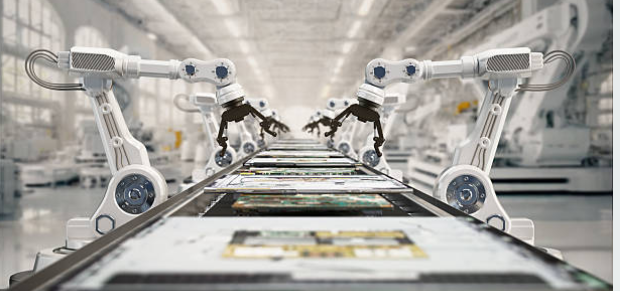
Scalability
AI systems can handle multiple tasks simultaneously, making them ideal for large-scale operations.
These strengths make AI a valuable tool for businesses and individuals alike. AI vs Humans
Strengths of Humans in Online Work
Despite the rise of AI, humans still have unique abilities that machines cannot fully replicate.
Creativity
Humans can think creatively and generate original ideas. This is essential for content creation, branding, and innovation.
Emotional Intelligence
Humans understand emotions and can build relationships. This is important in customer service and communication.
Critical Thinking:
Humans can analyze complex situations and make decisions based on context and experience.
These strengths ensure that humans remain relevant in the workforce. AI vs Humans
Jobs That AI Is Replacing
AI is already replacing certain types of jobs, especially those that involve repetitive tasks.
Examples include:
- Data entry
- Basic customer support
- Simple content generation
- Scheduling and administrative tasks
These roles are easier to automate because they do not require deep thinking or creativity. AI vs Humans
Jobs That Humans Will Always Dominate
Some jobs require human skills that AI cannot fully replicate.
These include:
- Creative writing
- Strategic planning
- Leadership roles
- Complex problem-solving
These roles depend on human intelligence and experience.
AI and Human Collaboration
AI vs Humans
Instead of competing, AI and humans can work together. This collaboration is the key to the future of online work.
AI can handle repetitive tasks, while humans focus on creative and strategic work.
This combination leads to better productivity and results. AI vs Humans
Impact on Freelancing
Freelancers are directly affected by AI. Many tasks can now be automated, but this also creates new opportunities.
Freelancers who use AI tools can:
- Work faster
- Handle more clients
- Increase income
Those who ignore AI may struggle to compete. AI vs Humans
Skills Needed for the Future
To stay relevant, individuals need to develop skills that complement AI.
Important skills include:
- Creativity
- Problem-solving
- Communication
- Digital literacy
Learning how to use AI tools is also essential. AI vs Humans
Challenges of AI
AI is not perfect. It has limitations such as:
- Lack of true creativity
- Dependence on data
- Risk of errors
These challenges highlight the importance of human involvement.
Who Will Win?
The question of who will win—AI or humans—is complex. The answer is not one-sided.
AI will dominate tasks that require speed and efficiency. Humans will dominate areas that require creativity and emotional intelligence.
The real winner is likely to be those who combine both. AI vs Humans
Why AI Is Growing So Fast
There are several reasons behind the rapid growth of AI in online work.
1.Demand for Efficiency
Businesses want to reduce costs and improve performance. AI helps achieve both by automating repetitive tasks.
- Availability of Data
AI systems rely on data to function. With the growth of the internet, there is more data available than ever before.
- Technological Advancements
Improvements in computing power and algorithms have made AI more powerful and accessible.
These factors have accelerated the adoption of AI across industries. AI vs Humans
Core Strengths of AI
AI has several strengths that make it highly effective in online work.
Speed
AI can process large amounts of information in seconds, which would take humans hours or even days.
Accuracy
AI systems can perform tasks with high precision, reducing errors.
Automation
AI can handle repetitive tasks without supervision, freeing up time for more important work.
Scalability
AI can manage multiple tasks simultaneously, making it ideal for large-scale operations.
These advantages make AI a powerful tool for businesses and individuals.
Limitations of AI
Despite its strengths, AI has limitations that prevent it from fully replacing humans.
Lack of Creativity
AI can generate content, but it often lacks originality and depth.

No Emotional Understanding
AI cannot truly understand human emotions, which is important in communication and relationships.
Dependence on Data
AI relies on existing data and cannot think beyond it.
These limitations highlight the importance of human involvement.
Human Strengths That AI Cannot Replace
Humans have unique abilities that give them an advantage over AI.
Creativity and Innovation
Humans can think outside the box and create new ideas.
Emotional Intelligence
Understanding emotions helps in building relationships and trust.
Adaptability
Humans can adjust to new situations and learn from experience.
Ethical Decision-Making
Humans can make decisions based on values and ethics.
These qualities ensure that humans remain essential in the workforce.
Impact on Freelancers and Remote Workers
Freelancers are among the most affected by AI. Many tasks that were once done manually can now be automated.
However, this does not mean freelancers will become irrelevant. Instead, those who use AI tools can gain a competitive advantage.
They can:
- Complete projects faster
- Take on more clients
- Offer better services
This shift requires freelancers to adapt and learn new skills.
Data Analysis
AI can analyze data quickly and provide insights.
These industries are experiencing rapid change.
Industries Where Humans Will Always Lead
There are also industries where humans will continue to dominate.
Leadership Roles
Managing people and making strategic decisions require human skills.
Complex Problem-Solving
Situations that require deep thinking cannot be fully automated.
These areas depend on human intelligence.
The Future: Competition or Collaboration?
The future is not about AI replacing humans but about collaboration.
AI can handle routine tasks, while humans focus on creative and strategic work.
This combination leads to better outcomes.
Skills You Need to Stay Relevant
To succeed in the future, individuals need to develop skills that complement AI.
Important skills include:
- Creativity
- Critical thinking
- Communication
- Digital literacy
Learning how to use AI tools is also essential.
Conclusion
The debate of AI vs Humans: Who Will Win the Future of Online Work shows that both have important roles to play.
AI is transforming the way work is done, but it cannot fully replace human abilities. The future belongs to those who adapt and learn how to work alongside AI.
By combining the strengths of both, individuals can build successful careers in the evolving digital world.