
Top 10 Cybersecurity Threats in 2026 are becoming more dangerous as technology continues to evolve. From AI-powered scams to ransomware attacks, cybercriminals are using smarter methods to target individuals, businesses, and even government organizations. Whether you work online, run a business, or simply use the internet every day, understanding these threats can help you avoid costly mistakes and keep your personal information safe.
In this guide, you’ll discover the biggest cybersecurity risks of 2026, why they matter, and the practical steps you can take to stay protected.
Why Cybersecurity Matters More Than Ever in 2026
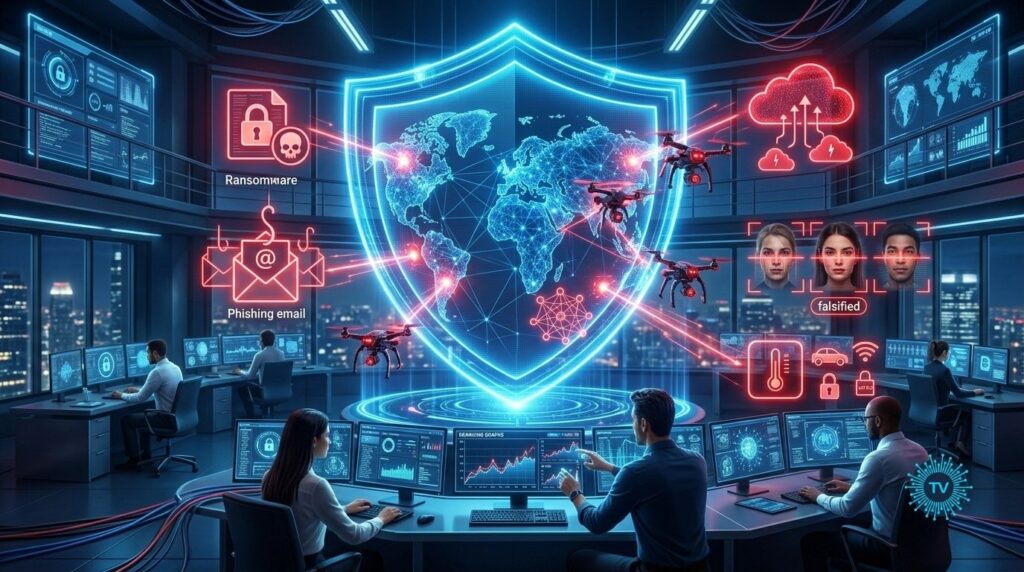
The digital world is growing faster than ever. People rely on online banking, cloud storage, remote work, and smart devices for daily tasks. While these technologies make life easier, they also create new opportunities for cybercriminals.
Modern hackers no longer rely on simple tricks. They use artificial intelligence, automation, and advanced malware to launch attacks that are faster, more convincing, and harder to detect. As a result, staying informed is one of the best ways to protect yourself.
Top 10 Cybersecurity Threats in 2026
1. AI-Powered Cyber Attacks
Artificial intelligence is helping businesses improve productivity, but it is also giving hackers powerful new tools. AI allows cybercriminals to automate attacks, analyze security weaknesses, and create highly convincing phishing emails within seconds.
Common AI-powered attacks include:
- Automated password guessing
- Personalized phishing emails
- AI-generated malware
- Intelligent vulnerability scanning
These attacks are becoming more difficult to identify because they often imitate normal user behavior.

How to Stay Safe
Use multi-factor authentication, keep your software updated, and never trust unexpected emails without verifying the sender.
2. Phishing Attacks
Phishing remains one of the Top 10 Cybersecurity Threats in 2026 because it targets people instead of systems. Attackers send fake emails, messages, or websites designed to steal passwords, banking details, or personal information.
Modern phishing attacks often appear to come from trusted companies, making them much harder to recognize.
- Warning Signs
- Unexpected login requests
- Urgent payment messages
- Suspicious website links
- Poorly written emails asking for personal information
Always check the website address before entering sensitive information.
3. Ransomware Attacks
Ransomware is a type of malicious software that encrypts files and demands money to restore access. These attacks continue to affect businesses, hospitals, schools, and government agencies around the world.
Even small businesses are becoming common targets because many lack strong security measures.
- How to Reduce the Risk
- Back up important files regularly.
- Avoid downloading unknown attachments.
- Install trusted security software.
- Update operating systems as soon as new patches become available.
Regular backups are often the fastest way to recover without paying a ransom.
4. Data Breaches
A data breach happens when unauthorized users gain access to confidential information. This may include customer records, financial data, passwords, or business documents.
Data breaches can lead to identity theft, financial losses, and serious damage to a company’s reputation.
Strong password policies, encryption, and regular security monitoring help reduce the chances of a successful breach.
5. Cloud Security Threats
Cloud computing has become essential for businesses of all sizes, but storing information online also introduces new security risks.
Common cloud security issues include:
- Misconfigured cloud settings
- Weak access controls
- Poor identity management
- Unsecured data storage
Many cloud incidents happen because of human error rather than flaws in the cloud platform itself.
Best Practices
Only give employees access to the data they need, enable multi-factor authentication, and regularly review cloud security settings.
6. Internet of Things (IoT) Attacks
Smart devices such as security cameras, routers, smart TVs, and home assistants are now connected to the internet. Unfortunately, many of these devices have weak security.
Hackers can exploit vulnerable IoT devices to:
- Spy on users
- Steal sensitive information
- Launch larger cyber attacks
- Gain access to home or business networks
Changing default passwords and installing firmware updates significantly improves IoT security.
7. Insider Threats
Not every cybersecurity incident comes from an external hacker. Employees, contractors, or business partners can also create security risks, either intentionally or accidentally.
Examples include:
- Sharing confidential files
- Using weak passwords
- Downloading unsafe software
- Accessing data without permission
Organizations should provide regular cybersecurity training and monitor access to sensitive information.
8. Deepfake Technology Abuse
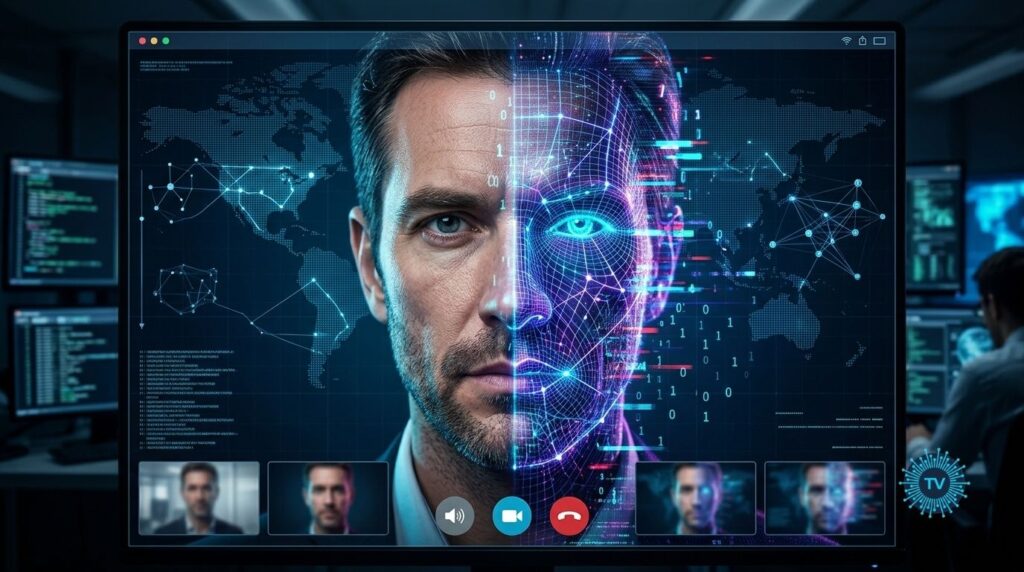
Artificial intelligence has made deepfake technology more realistic than ever. Cybercriminals can generate fake videos or audio recordings that appear to come from trusted individuals.
Deepfakes are increasingly used for:
- Financial fraud
- Identity impersonation
- Business email scams
- Spreading false information
Before acting on unusual video or voice requests, verify the person’s identity using another communication method.
9. Zero-Day Exploits
Zero-day vulnerabilities are software flaws that attackers discover before developers release a security patch.
Because no official fix is available at first, these attacks can spread quickly and cause significant damage.
How to Stay Protected
Organizations should use:
- Continuous security monitoring
- Threat detection tools
- Automatic software updates
- Layered cybersecurity defenses
Quick response times often reduce the impact of zero-day attacks.
10. Social Engineering Attacks
Social engineering focuses on manipulating people rather than breaking into computer systems. Attackers exploit trust, fear, or curiosity to convince victims to reveal confidential information.
Common examples include:
- Fake technical support calls
- Banking scams
- Identity impersonation
- Business email fraud
Cybercriminals often spend time researching their victims before launching these attacks, making them appear more believable.
Always verify unexpected requests involving passwords, payments, or confidential data.
How to Protect Yourself from Cybersecurity Threats
Understanding the Top 10 Cybersecurity Threats in 2026 is only the first step. Taking simple security measures can greatly reduce your risk of becoming a victim.
Follow these best practices:
- Use strong and unique passwords for every account.
- Enable two-factor authentication whenever possible.
- Keep your operating system and apps updated.
- Avoid clicking suspicious links or email attachments.
- Install trusted antivirus and anti-malware software.
- Back up important files regularly.
- Use secure Wi-Fi networks and avoid public networks for sensitive activities.
- Stay informed about the latest cybersecurity trends.
Small security habits often prevent major cyber incidents.
Why Cybersecurity Awareness Is Essential
Cybersecurity is no longer just an IT issue. Every internet user shares responsibility for protecting personal and business information.
By understanding the Top 10 Cybersecurity Threats in 2026, you can:
- Protect sensitive personal information.
- Reduce the risk of financial fraud.
- Keep your online accounts secure.
- Prevent identity theft.
- Build safer online habits for work and personal life.
Awareness allows you to recognize suspicious activity before it becomes a serious problem.
Final Thoughts
The Top 10 Cybersecurity Threats in 2026 show that online risks continue to evolve alongside technology. AI-powered attacks, ransomware, phishing, cloud vulnerabilities, and deepfake scams are becoming more sophisticated, making cybersecurity awareness more important than ever.
The good news is that most cyber attacks can be prevented with simple habits such as using strong passwords, enabling multi-factor authentication, updating software regularly, and thinking carefully before clicking unknown links. Whether you’re protecting personal data or managing a business, staying informed is your strongest defense against modern cyber threats.